Diplomatic Crisis Deepens as Tehran Shuts Out Top UN Nuclear Watchdog
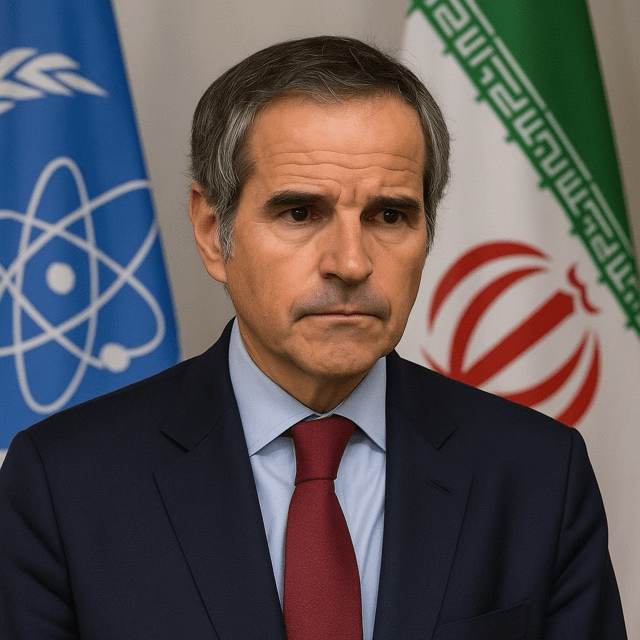
The international community was shaken this week by Iran’s abrupt decision to bar Rafael Grossi, the Director General of the International Atomic Energy Agency (IAEA), from visiting its nuclear facilities. The move has sparked renewed fears over the transparency of Iran’s nuclear program and raised alarms in Western capitals.
Grossi, who has led the IAEA since 2019, was scheduled to conduct high-level inspections and diplomatic talks in Tehran aimed at reestablishing monitoring mechanisms that have been steadily eroded in recent years. According to sources within the UN agency, Iranian officials informed Grossi’s office late Sunday that his presence would “no longer be welcome” at key nuclear sites, citing “persistent bias and pressure from hostile governments.”
The decision marks an unprecedented escalation in the already tense relationship between Iran and the IAEA, which has struggled to maintain oversight following the collapse of the 2015 Joint Comprehensive Plan of Action (JCPOA). In the years since the U.S. withdrawal from the agreement in 2018, Iran has steadily reduced its cooperation with international inspectors, raising concerns it could be edging closer to weaponization capabilities.
“This is a dangerous moment,” said a senior diplomat in Vienna, home to the IAEA’s headquarters. “Barring Director General Grossi is not just an insult—it’s a clear message that Iran is no longer willing to play by the rules.”
Grossi has been a vocal advocate for diplomatic engagement, repeatedly emphasizing the need for impartial and technical dialogue. In a statement issued after the announcement, he expressed “deep regret” at Iran’s decision and called on the Iranian leadership to reverse course. “Transparency is the bedrock of international trust,” Grossi stated. “Without access, the world is left in the dark.”
Iranian officials, however, defended the decision as a response to what they perceive as a politicization of the IAEA’s role. “We will not accept interference dressed as oversight,” said Behrouz Kamalvandi, spokesman for the Atomic Energy Organization of Iran. “Our nuclear program is peaceful, and we will defend our sovereignty.”
The United States and European Union quickly condemned the move. U.S. Secretary of State Antony Blinken warned of “serious consequences,” while EU foreign policy chief Josep Borrell called the ban “a grave setback for diplomacy.” Both have urged Iran to return to negotiations and allow Grossi to resume his duties.
The implications of this diplomatic rupture are far-reaching. Without Grossi’s leadership on the ground, the IAEA’s ability to verify enrichment levels and centrifuge installations is significantly hampered. Analysts fear that the lack of oversight could embolden hardliners within Iran, while also fueling calls in Israel and other regional powers for more aggressive countermeasures.
As the crisis unfolds, questions mount over what steps the international community will take. Will there be renewed sanctions? Can diplomacy be salvaged? And most importantly—what exactly is happening inside Iran’s nuclear facilities now that the IAEA’s top official has been shown the door?
In the meantime, Rafael Grossi remains in Vienna, continuing to rally support for a renewed inspection framework. But with trust rapidly eroding and Tehran doubling down, the path forward appears more uncertain than ever.



 The Tower Post