Nationwide Transportation Chaos Fuels Political Storm as Infrastructure Minister Faces Calls to Resign
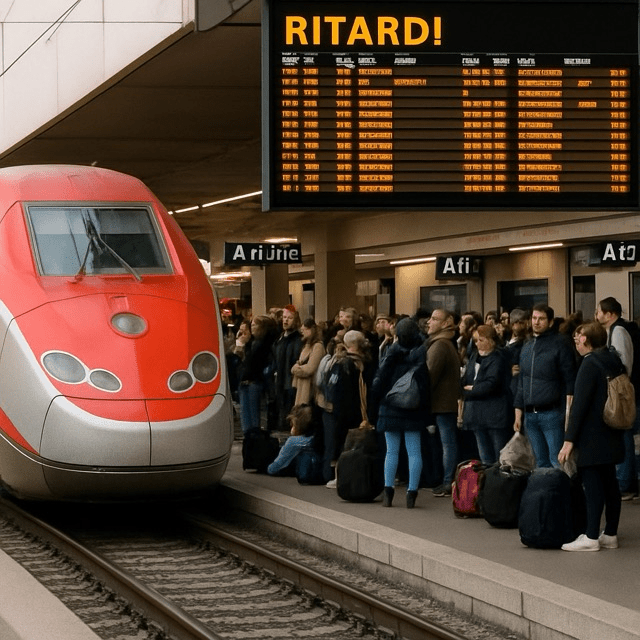
Italy is facing a transportation crisis of unprecedented proportions, with train delays, flight cancellations, and widespread infrastructure failures bringing the country’s mobility to a virtual standstill. The chaos has sparked public outrage and mounting political pressure, culminating in calls for the resignation of the Minister of Infrastructure and Transport.
From Milan to Naples, commuters and travelers have found themselves stranded as regional and high-speed trains suffer hours-long delays due to signaling malfunctions, outdated equipment, and overburdened networks. Meanwhile, at Rome Fiumicino and other major airports, a combination of air traffic control system failures and labor strikes has paralyzed domestic and international flight operations.
“This is a nightmare,” said Maria Lorenzetti, a commuter stuck at Florence’s Santa Maria Novella station for over five hours. “No one knows when the trains are coming or if they’ll arrive at all. There’s no communication, no accountability.”
The disruption began earlier this week when a series of technical failures hit Trenitalia and Italo services across the country. Railway officials have cited extreme heat as a contributing factor, but critics argue that years of underinvestment and bureaucratic inefficiency are the real culprits. Simultaneously, a national strike by airport ground staff and flight controllers added further strain, grounding hundreds of flights and leaving thousands of passengers in limbo.
As chaos spreads, political fallout has been swift. Opposition leaders have accused the government of gross mismanagement, pointing fingers directly at Infrastructure Minister Riccardo Neri. “This is not just an operational failure—it’s a failure of leadership,” said one senior lawmaker. “Minister Neri must resign immediately.”
Neri, who has served in the position since 2022, has thus far resisted calls to step down, instead pledging a full inquiry into the failures. “The situation is unacceptable,” he admitted in a press conference. “We are mobilizing emergency resources to restore normalcy and will hold those responsible to account.”
But public patience is wearing thin. Social media is flooded with images of overcrowded platforms, passengers sleeping in terminals, and long queues at information desks. Hashtags such as #ItalyTransportMeltdown and #NeriResign have trended for days.
Tourism officials are also raising concerns. With summer in full swing and millions of international visitors in the country, the transport paralysis is damaging Italy’s global image. “This couldn’t come at a worse time,” lamented a representative from the National Tourism Board. “We are losing trust, and with it, revenue.”
Experts suggest that the crisis may serve as a wake-up call for comprehensive reform. Italy’s transportation infrastructure, while historically robust, has suffered from decades of political turnover, fragmented oversight, and delayed modernization projects. The question now is whether this crisis will finally galvanize action.
For now, though, travelers are left to navigate a broken system while political leaders scramble for solutions. As the dust settles, the fate of Minister Neri—and perhaps the credibility of the government itself—hangs in the balance.

 The Tower Post