Behind the Scenes of a Lucrative Partnership
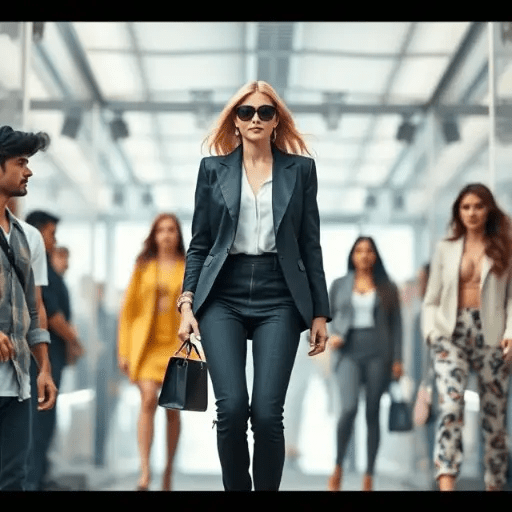
As the fashion industry continues to evolve, a new trend is emerging: celebrities are cashing in on lucrative fashion deals, and the brands are reaping the benefits. The latest example is Jonathan Anderson, the Northern Irish designer who will show his first collection as the creative director of Dior in Paris this week. Anderson’s unique ability to turn internet sensations into bonafide celebrities has made him a hot commodity in the fashion world.
Anderson’s 11-year tenure as creative director of Loewe was marked by his avant-garde sensibility and dedication to craft, but also by his ability to spot and promote emerging talent. His front rows have consistently featured a mix of established and up-and-coming actors, including Jamie Dornan, Andrew Garfield, and Nicholas Hoult, alongside rising stars like Drew Starkey, Josh O’Connor, and Mike Faist.
The benefits of this partnership are clear: for Loewe, it was a display of cultural currency, while for the actors, it was free publicity. The strategy has proven successful, with Anderson’s protégés often going on to achieve mainstream heartthrob status. For example, Kit Connor, Evan Peters, and Enzo Vogrincic all sat front row at Anderson’s final Loewe men’s runway show in June, suggesting they too would soon become leading men.
But what exactly does this partnership look like? According to sources, Loewe has been offering its celebrity friends lucrative deals, including free clothing, accessories, and even cash. In return, the actors agree to promote the brand on social media, attend fashion events, and sit front row at Loewe’s runway shows.
The numbers are staggering. According to industry insiders, Loewe has been spending upwards of $1 million per season on celebrity endorsements alone. But the payoff is worth it: the brand has seen a significant increase in sales and brand recognition, thanks in part to the influence of its celebrity friends.
One notable example is the case of Josh O’Connor, who rose to fame with his role in the Netflix series “The Crown.” After sitting front row at Loewe’s runway show, O’Connor’s social media following skyrocketed, and he soon landed a major role in the Luca Guadagnino film “Challengers.” The film’s success helped cement O’Connor’s status as a heartthrob, and he has since become a regular fixture on the fashion scene.
But Loewe’s strategy is not without its risks. The brand has faced criticism for its perceived favoritism towards certain celebrities, and some have accused Anderson of using his platform to promote his personal friends rather than emerging talent. However, Anderson has maintained that his goal is to support and promote the next generation of actors, and that his partnerships with celebrities are a key part of that effort.
As the fashion industry’s power dynamics continue to shift, one thing is clear: celebrities are now an integral part of the fashion landscape, and brands are willing to pay top dollar to tap into their cultural cachet. With Anderson’s appointment at Dior, it will be interesting to see how this trend continues to evolve. Will other brands follow suit, or will Loewe’s strategy prove to be a one-off? Only time will tell.
The Business of Celebrity Fashion
Loewe’s celebrity partnerships have been estimated to be worth upwards of $1 million per season.
The brand has seen a significant increase in sales and brand recognition since implementing its celebrity endorsement strategy.
Celebrities such as Josh O’Connor and Kit Connor have credited their Loewe partnerships with helping to launch their careers.
The fashion industry’s power dynamics are shifting, with celebrities now playing a major role in shaping brand identity and cultural trends.
The success of Loewe’s celebrity partnerships has sparked a debate about the role of celebrities in the fashion industry, with some accusing brands of favoritism and others praising the strategy as a key part of the industry’s evolution.

 The Tower Post