New Restrictions Challenge U.S. Trade Deal Assurances and Raise Fears of Strategic Retaliation
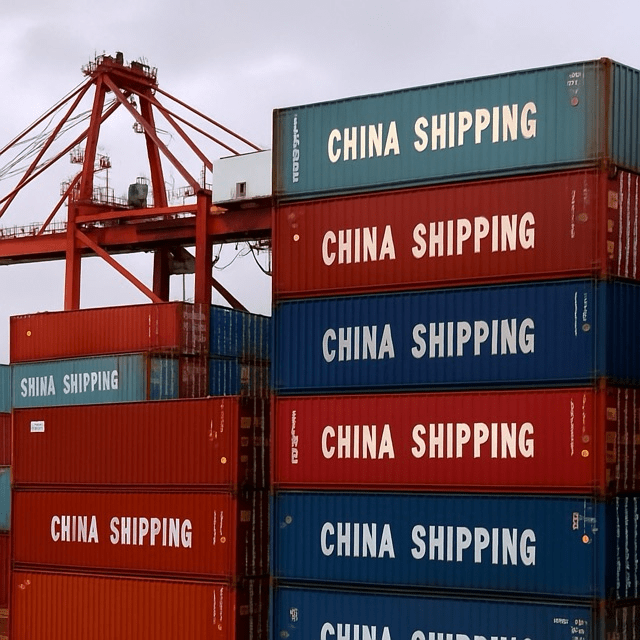
China’s tightening grip on strategic exports is beginning to affect a wider range of industrial goods, extending beyond the rare earth elements and magnets previously identified by Beijing. The broadening scope of these controls is heightening fears of supply chain disruptions across multiple sectors and undermining recent U.S. claims that a trade agreement had successfully resolved shipment delays.
While rare earths and magnetic components have long been at the heart of China’s export strategy, new reports from customs brokers and industry insiders reveal that export permits are now being delayed or denied for a variety of products including specialized alloys, semiconductor-grade chemicals, and advanced machine parts. These items, though not publicly listed in China’s official export control catalog, appear to be caught up in a widening net of regulatory scrutiny.
“This is a quiet expansion of trade leverage,” said Dr. Marcus Hill, a senior fellow at the Center for Strategic Supply Chains. “By slowing down the administrative pipeline, Beijing can exert pressure without officially violating any treaty.”
The ripple effects are already being felt in sectors ranging from aerospace to automotive manufacturing, with some U.S. companies reporting unexpected delays in deliveries of precision components sourced from Chinese suppliers. In response, logistics firms are adjusting timelines and advising clients to diversify sourcing strategies.
These developments come just weeks after Washington and Beijing announced a tentative agreement aimed at restoring predictability to bilateral trade, especially in critical minerals. At the time, U.S. trade representatives had hailed the deal as a breakthrough. Now, however, those claims are being called into question.
“There’s a clear disconnect between the diplomacy and the reality on the ground,” said a U.S. official familiar with the matter, speaking anonymously. “What’s happening now appears to be a form of shadow retaliation—targeted but deniable.”
Beijing has not publicly confirmed any expansion of its export control list, instead emphasizing that all actions are in accordance with national security and environmental protection policies. A spokesperson for China’s Ministry of Commerce stated: “China remains committed to fair trade, but reserves the right to safeguard strategic resources.”
Analysts say the broader implications are significant. With tensions between the world’s two largest economies still simmering over Taiwan, AI technology, and military alliances in the Indo-Pacific, the widening of trade barriers could mark the beginning of a longer-term shift in global supply chain dynamics.
Industries in Japan, South Korea, and Europe are also reportedly experiencing similar slowdowns in Chinese exports of critical components. In Germany, some manufacturers are warning of production line disruptions if shipments do not resume within the month.
“There’s a sense that China is testing the system—seeing how much friction it can introduce without provoking direct retaliation,” said Kelly Monroe, a geopolitical risk consultant.
Meanwhile, U.S. firms are ramping up lobbying efforts in Washington, pressing for both diplomatic intervention and subsidies to re-shore production of key components. Lawmakers from both parties have cited the disruptions as proof that the U.S. must reduce its dependency on Chinese manufacturing.
For now, multinational corporations are left grappling with uncertainty. Some are accelerating efforts to reroute supply chains through Southeast Asia or Mexico, while others are stockpiling components amid fears that further disruptions could follow.
As the trade narrative continues to evolve, one thing is becoming increasingly clear: even when deals are struck on paper, the real dynamics of global commerce play out far from the negotiating table—deep within the ports, factories, and regulatory offices that silently shape the balance of power.




 The Tower Post