From Introduction to Obsolescence: How Trends Rise and Fall in the Fashion Industry
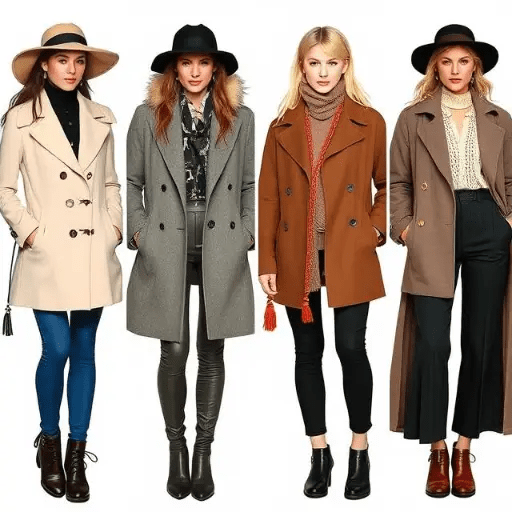
In the fast-paced world of fashion, trends are born, live, and die in a matter of months. The life cycle of a trend is a complex and unpredictable phenomenon that has captivated fashion enthusiasts and industry professionals alike. From the introduction of a new style to its eventual obsolescence, a trend’s life cycle is marked by distinct stages that are shaped by a multitude of factors, including social media, celebrity influence, and consumer behavior.
The first stage of a trend’s life cycle is its introduction. This is often the domain of major brands and designers who showcase new styles during Fashion Week or other high-profile events. The introduction of a new trend can be a deliberate attempt to create buzz and generate interest among consumers. For example, Pantone’s announcement of Mocha Mousse as the color of the year 2025 sparked a surge in popularity for the shade, with a forecasted 9% visibility increase worldwide for the next 12 months. This strategic move by Pantone demonstrates the power of trend forecasting and the ability to shape consumer preferences through carefully curated color palettes.
However, not all new trends rise to such impressive popularity. Some may struggle to gain traction, while others may be adopted by niche audiences before eventually gaining mainstream appeal. The rise of Bloke Core, a fashion aesthetic inspired by 90s British football culture, is a prime example of how grassroots styles can gain momentum through social media platforms like TikTok and Reddit. This trend’s success can be attributed to the influence of social media, where users can share and discover new styles, and the rise of Gen Z consumers who are driving the demand for nostalgic and comfortable fashion.
As a trend gains popularity, it enters its peak stage, where it reaches the climax of its appeal among a mainstream audience. This is often characterized by widespread adoption by major retailers, who offer the trend at lower prices to appeal to a broader consumer base. However, the length of a trend’s peak is unpredictable, and some trends may fade quickly, while others may maintain their popularity for several seasons. The platform flip-flop revival, for example, was a fleeting trend that lost momentum by mid-2025, while the boho-style tiered skirts, popularized by influencers like Sasha Obama, continued to grow in popularity throughout Spring/Summer 2025.
The decline of a trend is often a result of market oversaturation, where consumers grow tired of seeing too much of a particular style. The holographic sneaker trend, which surged in popularity early in 2025, collapsed just as fast, with influencer posts and consumer interest dropping sharply by late spring. As with many fleeting crazes, brands and retailers rapidly discounted inventory before quietly phasing the trend out. This phenomenon highlights the importance of trend forecasting and the need for brands to stay ahead of the curve by analyzing consumer behavior and adjusting their strategies accordingly.
The final stage of a trend’s life cycle is its obsolescence, where a style becomes widely labeled as “out of fashion.” While an “obsolete” trend may not necessarily imply that it won’t return to the fashion cycle, it often signals a shift in consumer preferences towards new and emerging styles. The low-rise jeans, which disappeared from retailers’ clothing racks in the 2000s, have made a comeback in recent years, inspired by the Y2K aesthetic. This trend’s revival demonstrates the cyclical nature of fashion, where past styles are revisited and reinterpreted to fit the current moment.
Understanding the life cycle of a trend is crucial for fashion brands and designers who must navigate the ever-changing landscape of consumer preferences. By analyzing real-time data on specific trends, brands can pinpoint their past, present, and future behaviors, making informed decisions about collection-making and marketing strategies. As the fashion industry continues to evolve, the life cycle of trends will remain a key factor in shaping the industry’s trajectory.



 The Tower Post