Despite Rhetoric, Trump’s Actions Underscore America’s Enduring Global Role
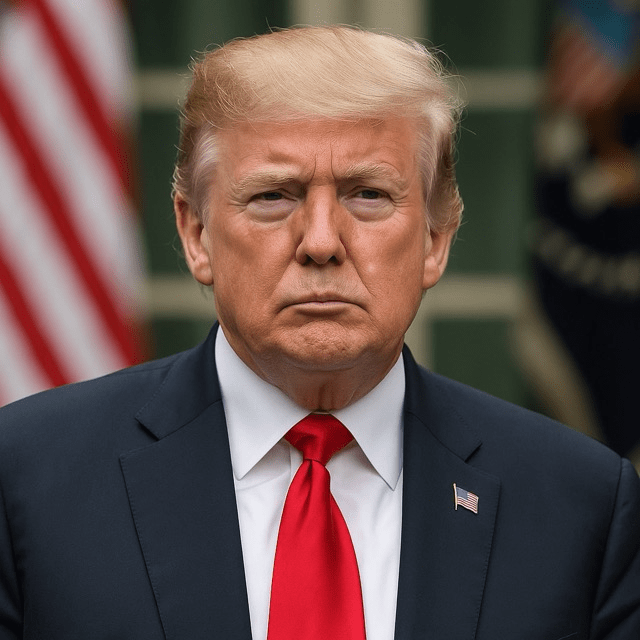
As tensions erupted into open conflict between Iran and Israel this year, the swift and decisive reaction from former U.S. President Donald Trump caught many by surprise—particularly those who had long labeled him an “isolationist.” Far from withdrawing from global affairs, Trump’s intervention offered a stark reminder: American retreat from the world is more of a political myth than a geopolitical reality.
In statements issued shortly after hostilities broke out, Trump condemned Iran’s aggression and signaled unequivocal support for Israel, echoing the close alignment he fostered during his first term. More significantly, reports from diplomatic and intelligence circles suggest Trump advised regional allies and urged behind-the-scenes coordination between U.S. assets and Israeli defense forces, had he been in office.
“This is not the posture of an isolationist,” noted political analyst Dr. Elaine Harris of Georgetown University. “Trump’s worldview is transactional and nationalistic—but that doesn’t mean it’s inward-looking. It’s about dominance, not detachment.”
Trump’s response illustrates a broader point: the United States, regardless of administration, remains deeply entangled in global security dynamics. While Trump often rails against “forever wars” and criticizes NATO, his actual policies rarely matched the isolationist label his detractors attach to him.
During his presidency, he escalated tensions with Iran, ordered a drone strike that killed General Qassem Soleimani, increased arms sales to Middle Eastern allies, and sent mixed signals on Syria. His decisions often sparked global ripple effects—not the hallmark of a nation retreating from world affairs.
The recent Iran-Israel flare-up only further emphasizes how difficult it is for any American leader, even one as iconoclastic as Trump, to disengage from the world’s most volatile regions. U.S. military bases, economic interests, and long-standing alliances continue to bind Washington to crises thousands of miles from home.
“Trump may use the language of disengagement,” said former National Security Council staffer Jason Lloyd, “but when the chips are down, he acts with force. His doctrine is better understood as selective intervention rather than isolationism.”
This latest episode also reshapes the broader debate over America’s global role in the 21st century. The idea that the U.S. is in retreat is often overstated by both critics and allies. In practice, America remains a decisive actor, particularly in regions where its interests align with long-standing partnerships.
What Trump’s Iran-Israel response underscores is the enduring nature of U.S. engagement—even under leaders who claim to challenge the foreign policy establishment. It suggests that the structural demands of global power often override campaign rhetoric and populist slogans.
For allies like Israel and Gulf nations, Trump’s consistent messaging provides reassurance, even if his style is unpredictable. For adversaries like Iran, it reinforces the message that American threats cannot be easily dismissed, regardless of administration changes.
As the 2024 presidential campaign unfolds, Trump’s stance on Iran and Israel will likely serve as a case study in the gap between rhetoric and reality in U.S. foreign policy. Whether voters embrace his version of strength or seek a more traditional diplomatic path, one thing is clear: American global engagement remains deeply rooted.
Far from heralding a retreat, Trump’s Iran-Israel intervention is a reminder that the world’s superpower doesn’t vanish from the stage—it merely changes its script.
 The Tower Post