How the EU Can Leverage Soft Power to Fill the Void Left by the US and China
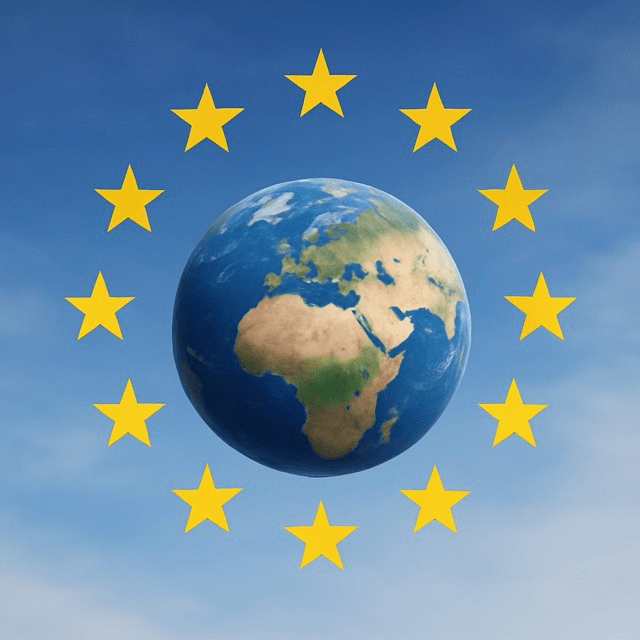
In an era defined by geopolitical competition and shifting alliances, the European Union faces a critical juncture: wake up from parochial concerns and project its soft power onto the world stage. As the United States retreats into unilateralism and China advances its model of state-driven influence, Europe’s commitment to values-based diplomacy offers a unique—and urgent—opportunity.
For decades, the EU has cultivated its influence through trade, development aid, and cultural exchange programs. From Erasmus student mobility to the promotion of human rights, Europe’s soft power has fostered stability and prosperity across continents. Yet internal debates over budgetary transfers, migration policy, and sovereignty have stunted its global impact.
The moment demands a shift from introspection to initiative. Europe must harmonize its foreign policy by strengthening the European External Action Service and empowering the High Representative to speak with one voice. Clear strategic priorities—ranging from climate action to digital governance—should guide EU engagement in multilateral forums such as the United Nations and the World Trade Organization.
In Africa and Asia, Europe can expand its footprint by offering an alternative to the debt-driven infrastructure projects of the Belt and Road Initiative. By coupling investment with rigorous environmental and labor standards, the EU can champion sustainable development and uphold democratic norms. This approach would underscore Europe’s dedication to principled engagement over transactional bargains.
Soft power also extends to cultural diplomacy. European film, literature, and art continue to resonate globally. The EU should bolster funding for cultural institutes—such as the Goethe-Institut, Institut Français, and Instituto Cervantes—and coordinate joint exhibitions and festivals that celebrate Europe’s diverse heritage while promoting intercultural dialogue.
Moreover, the EU’s response to global challenges—pandemics, climate change, and cybersecurity—can solidify its leadership role. Coordinated vaccine diplomacy, green financing through the European Investment Bank, and the promotion of digital rights frameworks would demonstrate the practical benefits of European cooperation, inspiring other nations to align with its standards.
Critics caution that Europe’s consensus-driven model is too slow for today’s fast-paced crises. To overcome bureaucratic inertia, member states should delegate greater authority to EU institutions and streamline decision-making processes. A standing “Rapid Response Soft Power Taskforce” could coordinate urgent initiatives, from humanitarian relief to digital education campaigns.
In the realm of public diplomacy, Europe must harness new communication channels. Engaging with global audiences via social media, podcasts, and interactive platforms will allow the EU to tell its story directly, countering disinformation and building trust. Young Europeans, fluent in multiple languages, can serve as ambassadors in virtual networks and exchange programs.
Ultimately, the EU’s strength lies not in military might, but in the persuasive power of its ideas and institutions. By awakening to this reality, the Union can fill the leadership vacuum left by the superpowers and set a course for a more equitable, sustainable world order.
The time has come for Europe to stop gazing inward. With a bold vision and cohesive strategy, the EU can elevate its soft power, champion global solutions, and assume its rightful place as a driver of positive change on the world stage.

 The Tower Post