What to Expect from Denmark’s EU Council Presidency
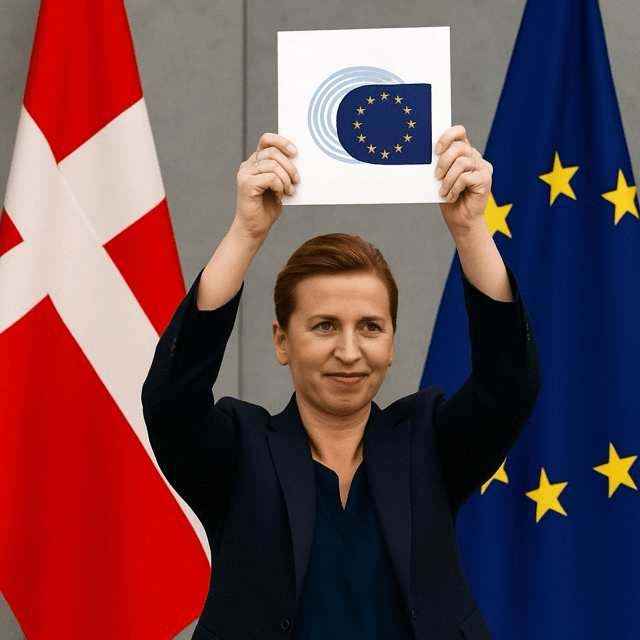
On July 1, 2025, Denmark officially commenced its six-month presidency of the Council of the European Union, marking the second time Copenhagen has held the rotating leadership role. With a mandate shaped by rising geopolitical tensions, economic recovery, and the green transition, the Danish agenda promises both continuity and fresh ambition.
Denmark enters the presidency amid a Europe grappling with energy security following Russia’s war in Ukraine, supply chain disruptions, and accelerating climate imperatives. Copenhagen has pledged to prioritize strategic autonomy, resilience, and cohesive action across member states. This reflects Denmark’s longstanding commitment to multilateral cooperation and pragmatic problem-solving.
A cornerstone of the Danish program is the acceleration of the European Green Deal. Denmark has set out to fast-track legislation on renewable energy, energy efficiency, and circular economy practices. The presidency plans high-level ministerial meetings to harmonize national targets, streamline permitting processes for wind and solar projects, and incentivize sustainable industrial practices.
Economic competitiveness also features prominently. To bolster recovery from COVID-19, Denmark will champion the completion of the Single Market’s digital and services dimensions, pushing for reduced barriers to cross-border trade in professional services and digital platforms. Negotiations on the Digital Markets Act and enhancements to the Digital Services Act are expected to take center stage.
In the realm of foreign policy, Denmark aims to strengthen the EU’s strategic partnerships. High on the agenda is deepening ties with the Western Balkans, expanding cooperation with Nordic and Baltic neighbors, and supporting Ukraine’s European integration. Copenhagen will host a summit with key partners to coordinate support for Kyiv and discuss future enlargement prospects.
Migration, a perennial flashpoint, will also be addressed under a Danish approach that balances solidarity with practical burden-sharing. The presidency intends to advance negotiations on a New Pact on Migration and Asylum, seeking consensus on solidarity mechanisms, processing reforms, and enhanced Frontex operations at the bloc’s external borders.
Digital transformation and cybersecurity rise as cross-cutting priorities. Denmark will facilitate agreements on strengthening EU-wide cyber defenses, protecting critical infrastructure, and fostering digital literacy. A dedicated cyber summit in Copenhagen is slated for early September to align member states on threat-sharing protocols and investment in emerging technologies.
Social cohesion and the rule of law complete the Danish priorities. Copenhagen plans to launch a European Youth Guarantee review, aiming to reduce youth unemployment through targeted training and mobility programs. Meanwhile, ongoing rule-of-law dialogue with member states will continue, emphasizing constructive engagement rather than punitive measures.
Behind the scenes, Danish diplomacy has emphasized transparency and inclusivity. The presidency has opened its preparatory meetings to civil society organizations and stakeholder consultations, aiming to inject fresh perspectives into policy debates. This participatory approach reflects Denmark’s domestic political culture of consensus-building.
As Denmark’s presidency unfolds, its success will be measured by its ability to unite 27 member states around common objectives in a rapidly changing world. If Copenhagen can leverage its organizational efficiency, diplomatic skills, and green credentials, the Danish tenure could leave a lasting imprint on the EU’s strategic direction.


 The Tower Post