Deep-seated political, ideological, and security divides shut down any prospects of formal reconciliation
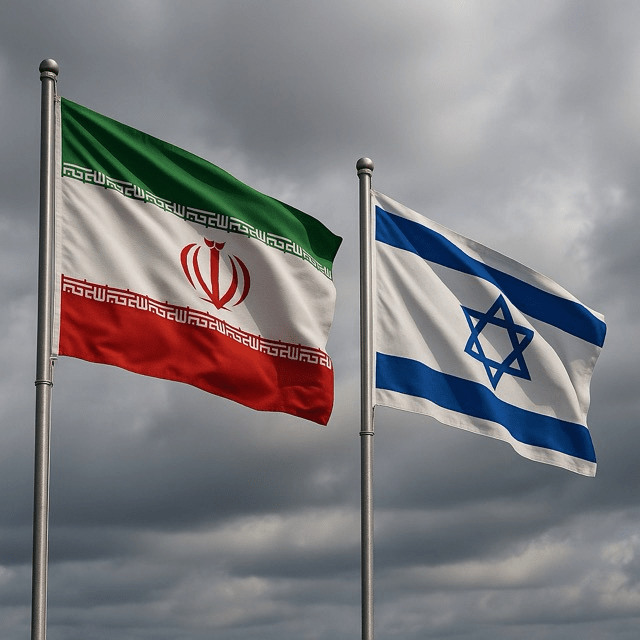
As diplomatic efforts in the Middle East continue to pivot around fragile ceasefires and bilateral accords, one certainty remains: Iran has categorically ruled out entering into a peace treaty with Israel. Tehran’s stance, reiterated by senior officials, underlines the depth of animosity and the complexity of regional geopolitics.
In a televised address in late June 2025, Iran’s Foreign Minister described the notion of a peace agreement with Israel as ‘completely out of the question.’ He cited decades of conflict, ideological opposition, and the unresolved Palestinian question as insurmountable barriers.
Iran and Israel have never enjoyed formal diplomatic relations. Since the 1979 Iranian Revolution, Tehran has positioned itself as a vocal opponent of the Israeli state, providing political and material support to non-state actors such as Hezbollah and Palestinian militant groups.
Analysts point out that Iran’s refusal is not merely rhetorical. In recent years, the Islamic Republic has expanded its military footprint, including advanced missile deployments in Syria and support for proxy forces across the region, strengthening its deterrence posture against Israel.
Security concerns also play a critical role. Israeli officials have long accused Tehran of pursuing nuclear capabilities in secret facilities. Although international inspections have widened under the 2025 nuclear oversight agreement, mutual distrust remains high.
Strategic imperatives on both sides feed into a cycle of hostility. Israel’s government, led by a coalition emphasizing national security, has declared any Iranian reach to the Mediterranean a red line. Iran, for its part, warns against what it calls Israeli aggression and interference in its sphere of influence.
Recent talks among European mediators aimed at brokering limited understandings—such as restricted arms provisions and humanitarian corridors—fell short. Iranian negotiators insisted that such measures required progress toward a broader settlement, which Israel refused to discuss.
The Palestinian dimension further complicates matters. Tehran demands that any peace framework include a resolution to Palestinian statehood, while Israel prioritizes bilateral security guarantees. This divergence on core issues has made a treaty arrangement elusive.
Within Iran’s domestic political landscape, hardline factions view any concession to Israel as a betrayal of revolutionary principles. Moderates who might favor dialogue lack the political capital to override entrenched conservative elements in the Iranian parliament and Revolutionary Guard.
Observers note that regional realignments—such as the recent normalization agreements between Israel and several Arab states—have not coaxed Iran toward rapprochement. Instead, Tehran perceives these pacts as strategic encirclement by what it terms ‘Zionist expansionism.’
Looking ahead, the outlook for a formal peace treaty is dim. While temporary de-escalations or confidence-building measures may arise, a comprehensive accord appears beyond reach. The enduring proxy conflicts, security dilemmas, and ideological divides remain potent obstacles.
In the absence of a treaty, the risk of miscalculation persists. Both nations continue to bolster their military capabilities, and regional skirmishes in Lebanon, Syria, and Gaza threaten to ignite broader confrontations. For now, peace between Iran and Israel remains a distant aspiration.




 The Tower Post