In a high-risk, high-uncertainty landscape, moving slower might just be the smarter strategy
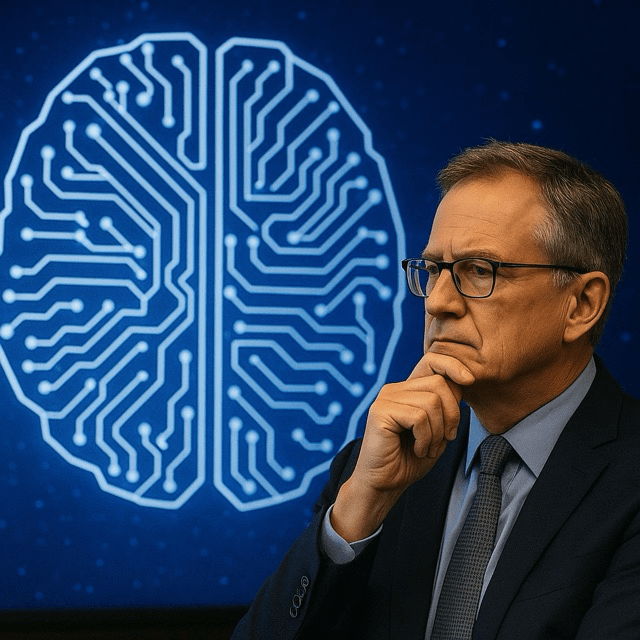
As artificial intelligence (AI) continues its rapid evolution, a powerful narrative has taken root across industries, governments, and boardrooms: act fast or fall behind. Tech leaders issue dramatic calls to action, warning that delays in adopting AI technologies will leave companies obsolete and nations vulnerable. But a growing body of experts are now questioning these urgency claims, arguing that when it comes to high-risk and uncertain innovations like AI, being a second-mover may offer substantial advantages.
“First-mover advantage is overrated when the terrain is unknown,” says Dr. Elena Kruger, a technology policy analyst at the European Innovation Observatory. “The early adopters often pay the price of trial and error. Meanwhile, second-movers can learn from their mistakes, adapt, and deploy more effectively.”
This philosophy is gaining traction in public and private sectors alike. Several governments, including Germany and Japan, are quietly adopting what insiders describe as a “measured wait-and-see” approach. Rather than racing to integrate generative AI into public administration or defense, they are focusing on regulatory frameworks and impact assessments first.
The benefits of this cautious strategy are already visible. For instance, early implementation of generative AI tools in customer service and education has led to numerous cases of misinformation, bias, and privacy breaches. Organizations entering the space later have the opportunity to avoid these pitfalls, using insights gathered from first movers to craft more robust solutions.
The tech sector, which often glamorizes speed and disruption, is not immune to this debate. “There’s a marketing machine around urgency,” says Priya Mehta, a former AI lead at a Silicon Valley startup. “If you tell investors and clients that the future depends on immediate adoption, you drive action. But that doesn’t always mean you’re making the right choices.”
Financially, second-movers may also fare better. Early adopters often incur high R&D costs, face operational disruptions, and must overhaul systems rapidly. Those who follow have the benefit of refined tools, clearer market expectations, and a deeper understanding of AI’s capabilities and limits.
This is especially relevant in sectors with high ethical stakes—like healthcare, finance, and criminal justice—where AI’s consequences are far-reaching and often irreversible. A hasty rollout of flawed algorithms in these domains could cause more harm than good. Being deliberate, rather than immediate, could be the key to responsible innovation.
Still, the pressure to be first remains intense. Companies fear reputational loss or falling stock prices if seen as lagging behind in the AI race. Governments worry about geopolitical disadvantage. But the current shift in tone suggests that pragmatism may be slowly replacing panic.
“We don’t need to automate everything overnight,” Dr. Kruger emphasizes. “Time is a resource. The longer we take to understand the technology, the better positioned we are to govern it wisely.”
In the realm of artificial intelligence—where the promises are enormous but the risks equally vast—those who move second may ultimately lead the way.




 The Tower Post