A New Layer of Security for Dating Profiles

Tinder, the popular dating app with over 75 million monthly active users, has begun trialing mandatory facial recognition security features in the US to combat impersonation and fake accounts. The platform, which has been a leading player in the online dating market since its launch in 2012, is now requiring new users in California to undergo a biometric “Face Check” scan to verify their profiles, marking a significant shift in the company’s approach to online safety.
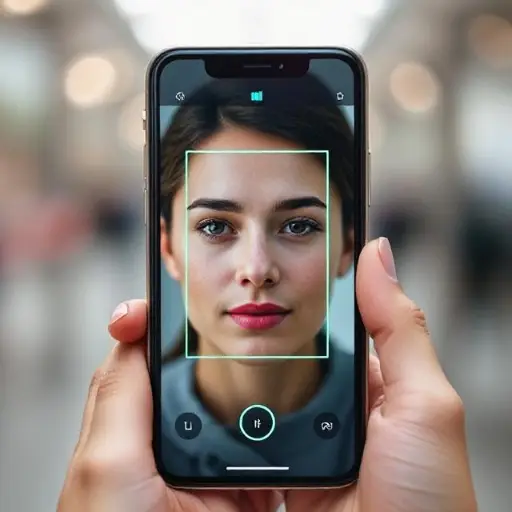
The Face Check feature involves taking a short video selfie that is used to match biometric indicators and confirm that the user is not a bot using artificially generated images. Upon completion, users are awarded a verified badge, which is displayed prominently on their profile. This scan will also check if the user’s face is being used in multiple accounts, helping to prevent users from being impersonated or having their likeness used by deceptive profiles, often referred to as “catfish” accounts.
This new requirement marks a significant change for Tinder users, who have previously been able to create accounts without mandatory verification. However, users have been providing video selfies to verify their profiles since 2023, albeit on a voluntary basis. The shift to mandatory verification is part of Tinder’s broader efforts to improve user safety and trust.
According to Match Group’s head of trust and safety, Yoel Roth, the Face Check feature is designed to confirm that users are real, live people and not bots or spoofed accounts. Roth told Axios that the feature has already shown promising results in improving perceptions of authenticity and reducing reports of bad actors in pilot tests conducted in Colombia and Canada.
Tinder will be monitoring user response to the Face Check feature in California before deciding whether to roll it out more broadly across the US. The platform assures that the selfie video is deleted once verification is complete, but stores a non-reversible, encrypted face map to detect duplicate user accounts in the future. This approach is designed to balance user safety with concerns about data privacy and security.
As the dating landscape continues to evolve, Tinder’s move to mandatory facial recognition is a significant step towards creating a safer and more trustworthy online environment. Whether this new feature will be effective in reducing impersonation and fake accounts remains to be seen, but one thing is clear: the company is committed to taking a more proactive approach to user safety.
Tinder’s move to mandatory facial recognition comes as the company continues to expand its features and services to cater to the evolving needs of its users. In recent years, the platform has introduced features such as Tinder U, which allows college students to connect with each other, and Tinder Boost, which allows users to increase their visibility on the platform. The company has also made significant investments in its algorithm, which uses machine learning to match users based on their preferences and behavior.
With over 240 million profiles worldwide, Tinder is one of the largest and most popular dating platforms in the world. The company’s commitment to user safety and trust is reflected in its efforts to combat catfishing, harassment, and other forms of online abuse. As the online dating landscape continues to evolve, it remains to be seen whether Tinder’s move to mandatory facial recognition will be effective in reducing impersonation and fake accounts. However, one thing is clear: the company is committed to taking a more proactive approach to user safety and trust.