Former President makes surprise statement, raising questions over diplomatic negotiations
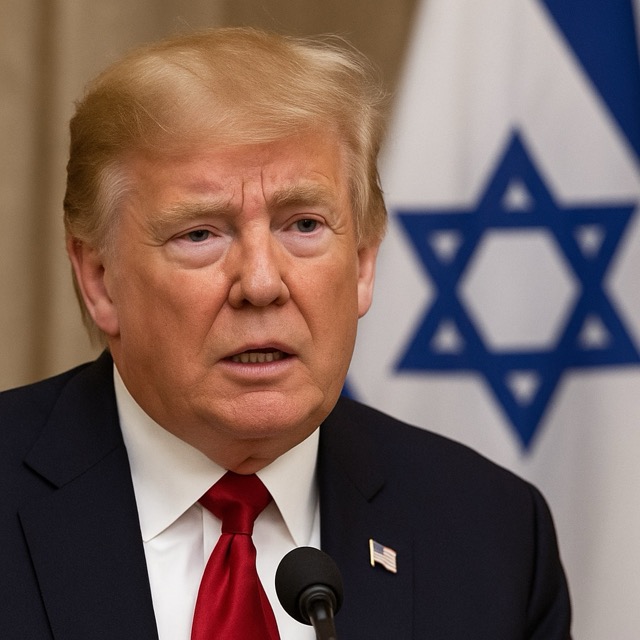
In a surprising development that has sent ripples across the international diplomatic community, former U.S. President Donald Trump announced that Israel has agreed to a 60-day ceasefire with Hamas. The declaration, made during a press event in Florida on Monday, immediately sparked global speculation, especially given the lack of confirmation from Israeli officials or details surrounding the agreement.
Trump, who has remained an influential voice within the Republican Party and among conservative circles, claimed that the Israeli government had consented to a two-month pause in hostilities. “I have spoken to some very good people — people who know what’s going on — and I can tell you that Israel has agreed to a 60-day ceasefire,” Trump said. “It’s a great move. Peace is possible, but we need strong leadership.”
While Trump did not elaborate on the source of his information, or provide specifics about the nature of the agreement, the statement was enough to prompt inquiries from journalists, policy experts, and foreign governments.
Israeli officials have not yet confirmed the existence of such a ceasefire deal. The Prime Minister’s office and the Ministry of Foreign Affairs have remained silent since Trump’s statement. This silence has left analysts to interpret whether this is a premature leak, a miscommunication, or part of a strategic diplomatic move yet to be made public.
The situation in Gaza remains tense, with intermittent rocket fire and Israeli airstrikes reported over the past weeks. Humanitarian organizations have repeatedly called for a cessation of hostilities to allow aid and medical assistance to reach civilians caught in the crossfire. A 60-day ceasefire, if confirmed, could offer crucial relief to the region and open the door for further negotiations.
Experts warn, however, that without clear terms, any ceasefire agreement risks collapse. “A truce without mutual understanding and guarantees is inherently unstable,” said Dr. Elena Marcus, a Middle East conflict analyst at Georgetown University. “If Trump’s announcement is true, then all eyes will be on the follow-up from Jerusalem and Washington.”
The Biden administration has not officially commented on Trump’s declaration, and there are no indications that the former president was acting in any official capacity. Nevertheless, Trump’s continued insertion into foreign policy discussions is a reminder of his looming presence ahead of the 2024 U.S. elections.
For now, the world waits for clarification. Is this a step toward peace or another episode in the volatile saga of Middle Eastern diplomacy?
Until Israeli authorities or Hamas issue formal statements, the details remain obscured. What is certain, however, is that Trump’s comments have once again thrust him into the international spotlight — and possibly, into the delicate realm of peace negotiations.




 The Tower Post