Sweeping Reform Legislation Promises to Transform Taxation, Infrastructure, and Labor Policy
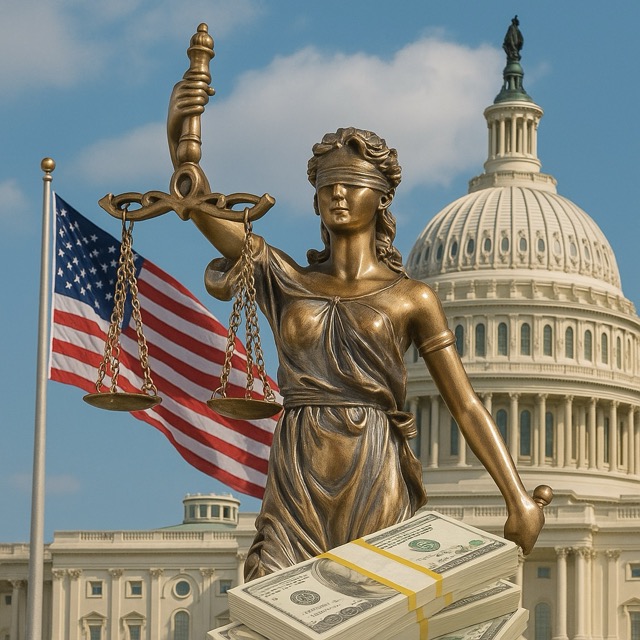
With the stroke of a pen, President Trump has ushered in what many are calling a new chapter in American economic policy. The “Beautiful Bill,” a sweeping legislative package passed by Congress after months of debate, officially went into effect this week—triggering a wave of economic, social, and structural changes that could redefine the nation’s financial future for years to come.
At its core, the Beautiful Bill focuses on three pillars: progressive tax reform, massive infrastructure investment, and expansive labor protections. Supporters argue it represents the most ambitious economic reform since the New Deal, while critics warn of unintended fiscal consequences and government overreach.
One of the most significant aspects of the bill is a revised tax structure aimed at addressing income inequality. The legislation introduces higher marginal rates on individuals earning over $500,000 annually, a minimum corporate tax rate of 20%, and enhanced IRS enforcement to close loopholes frequently exploited by multinational corporations. The government estimates that these changes will generate nearly $1.4 trillion in additional revenue over the next decade.
“This is about restoring fairness and ensuring that everyone pays their share,” said Treasury Secretary Janet Yellen. “The Beautiful Bill gives us the tools to build a more resilient, equitable economy.”
The second major component is a $2 trillion infrastructure package that targets everything from roads and bridges to green energy and broadband internet. Funding will go toward high-speed rail projects, climate-resilient water systems, and nationwide EV charging stations. The administration claims that over 3 million jobs will be created within the next five years as a direct result.
Economists are divided over the long-term implications. Some hail the bill as a long-overdue reset that will modernize the U.S. economy and improve competitiveness. Others worry that increased government spending could fuel inflationary pressures and burden future generations with unsustainable debt.
On the labor front, the Beautiful Bill expands union protections, raises the federal minimum wage to $17 per hour, and offers tax credits to companies that implement four-day workweeks without cutting pay. These provisions have sparked a mixed response from the business community. While progressive firms applaud the shift toward work-life balance and labor equity, trade associations have warned of increased operational costs and potential layoffs.
Stock markets reacted cautiously following the bill’s enactment, with major indices posting modest declines amid investor uncertainty. Tech and energy sectors saw mixed results, reflecting the bill’s targeted support for renewable innovation alongside new regulations for data privacy and emissions.
Internationally, the Beautiful Bill is seen as a statement of intent—a signal that the U.S. is serious about climate action, digital regulation, and equitable growth. European leaders praised the legislation’s climate commitments, while trade rivals such as China and India expressed concern about potential competitive disadvantages resulting from Washington’s massive public investments.
Despite the mixed reactions, early polling suggests the bill enjoys broad public support. A recent Pew Research survey found that 63% of Americans view the legislation favorably, especially its provisions on infrastructure and healthcare subsidies.
As implementation begins, federal agencies are racing to allocate funds, issue guidance, and coordinate with state governments. Critics will watch closely for signs of mismanagement or budget overruns, while supporters will look to showcase immediate wins—new jobs, upgraded highways, or expanded access to education and healthcare.
Whether the Beautiful Bill lives up to its ambitious name remains to be seen. But one thing is certain: the economic rules of the game in the United States have just changed.




 The Tower Post