A Political Sentence Against a Free Writer
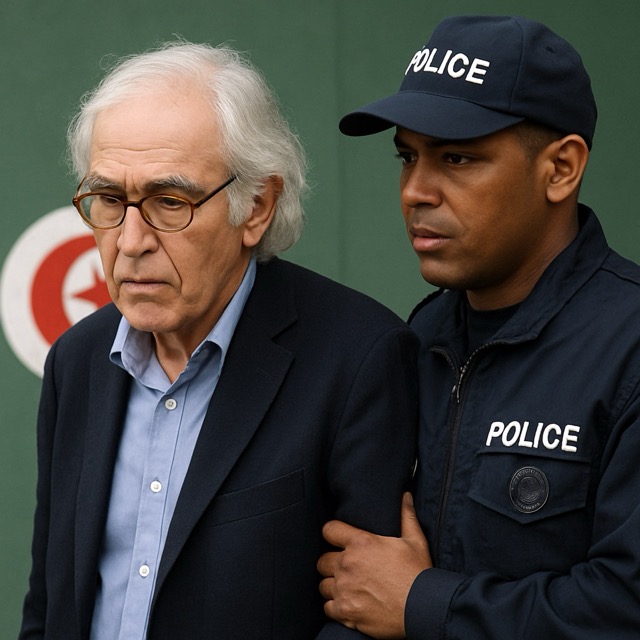
In a shocking development that has sent tremors through the global literary community and human rights organizations alike, Algerian authorities have arrested renowned writer Boualem Sansal. The 75-year-old novelist, known for his unwavering criticism of authoritarianism and extremism in North Africa, was reportedly detained in Algiers late last week under charges related to “subversive activity” and “endangering national unity.”
Observers and international watchdogs, however, see the arrest as a thinly veiled political move aimed at silencing one of Algeria’s most articulate and fearless voices. Sansal, a former high-ranking official in the Algerian Ministry of Industry turned writer, has long used fiction and essays to dissect the nation’s political stagnation, corruption, and the persistent threats of both religious and military dominance.
Human Rights Watch, PEN International, and Amnesty International have condemned the arrest, calling it a direct attack on freedom of expression. “This is not about state security,” said Clara Mesrine, a spokesperson for Reporters Without Borders. “This is about punishing dissent. Sansal’s only weapon is his pen, and it appears that even that is too dangerous for the regime to tolerate.”
Sansal first gained international recognition with his novel *The German Mujahid*, a provocative exploration of post-colonial identity, Islamism, and the legacy of World War II. Since then, his works have been published in over 20 languages, earning him a place among the most respected literary voices in the Francophone world. He has consistently spoken out against the repression of free thought in Algeria, often drawing ire from the government and religious hardliners.
Sources close to the writer say that Sansal was arrested following a closed-door roundtable at a cultural center in Algiers, where he allegedly criticized the country’s leadership and hinted at the need for structural democratic reforms. His lawyer has yet to be granted full access, and no official date has been set for a trial.
International pressure is mounting. France, where Sansal has long been celebrated, has summoned the Algerian ambassador to express concern. Prominent intellectuals, authors, and activists across Europe have signed an open letter demanding his immediate release. “A writer’s role is to question, to illuminate, and to challenge,” the letter reads. “To imprison a novelist is to imprison the soul of a nation.”
Within Algeria, reactions are more cautious. While civil society groups have begun to speak out, fear of repression remains high. The arrest marks a troubling pattern of recent crackdowns against journalists, academics, and political critics as the government seeks to tighten its grip ahead of next year’s elections.
For many, Sansal’s arrest represents more than an isolated incident—it symbolizes the ongoing erosion of democratic space in Algeria. His books, which once offered a mirror to a wounded nation, now serve as a testament to the risks of truth-telling in an increasingly hostile environment.
As his supporters rally for his release, one thing is clear: the arrest of Boualem Sansal is not merely a legal action, but a symbolic act of political suppression. It is a moment that demands global attention, and more importantly, decisive action from those who still believe in the fundamental power of free expression.

 The Tower Post