For the Good of the Left and to Halt the Rise of Vox
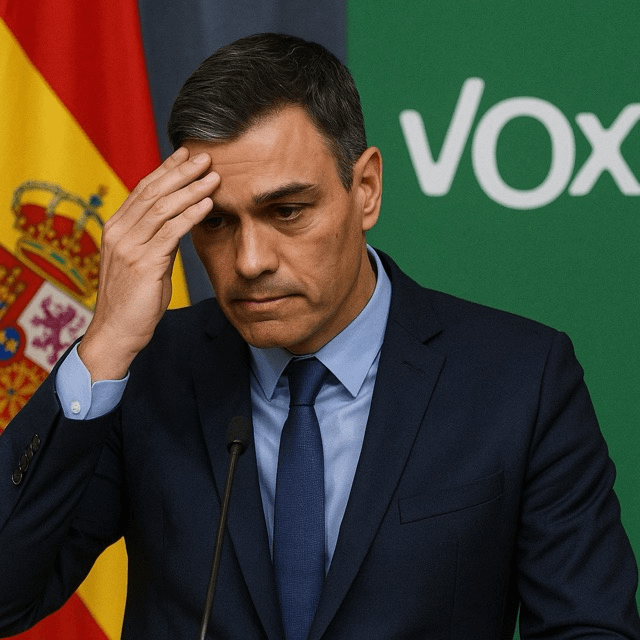
In recent months, Spain’s political landscape has been shaken by rising polarization, corruption scandals, and growing dissatisfaction among the electorate. At the center of this storm is Prime Minister Pedro Sánchez, leader of the Spanish Socialist Workers’ Party (PSOE). While Sánchez has undoubtedly played a pivotal role in stabilizing Spain after years of crisis, there is a growing consensus among analysts and party insiders that his resignation may now serve a greater purpose—for the survival and reinvigoration of the Spanish left, and as a firewall against the ascendant far-right party, Vox.
Sánchez’s political journey has been marked by resilience and strategic acumen. He returned to lead the PSOE in 2017 after being ousted, and defied odds by becoming prime minister the following year. Under his leadership, Spain navigated the COVID-19 pandemic, managed EU recovery funds, and pushed progressive reforms in labor, education, and climate policy.
However, a series of missteps and internal party fractures have eroded public trust. Scandals involving members of his coalition, growing public frustration over economic disparities, and criticism of his dealings with Catalan separatists have all taken a toll. His increasingly pragmatic alliances, while politically necessary, have alienated parts of his base.
The recent European Parliament elections exposed the fragility of PSOE’s current standing. Vox made significant gains, especially in rural areas and among younger voters, capitalizing on anti-immigration rhetoric and nationalist sentiment. The conservative People’s Party (PP) also strengthened its foothold. For many progressives, the writing is on the wall: a change in leadership may be the only way to prevent a full-blown shift to the right.
Calls for Sánchez’s resignation are not merely punitive—they are strategic. By stepping down, Sánchez would allow fresh leadership to emerge within the PSOE, potentially reviving public confidence and stalling the rise of radical right forces. A generational shift in the party could re-energize left-wing voters, many of whom have grown disillusioned or apathetic. It would also send a clear message that the party prioritizes the collective good over individual ambition.
Some PSOE members have already floated names like Nadia Calviño, the respected former economy minister, and Patxi López, a seasoned figure with deep roots in party infrastructure. Whoever steps in would need to quickly rebuild bridges with allied parties such as Sumar and Podemos, and articulate a bold, coherent alternative to the fear-driven agenda pushed by Vox.
In a broader European context, Spain is not alone in facing the challenge of a surging far-right. From Germany to Italy, France to Hungary, populist nationalist movements are gaining traction by exploiting anxieties over migration, identity, and sovereignty. The Spanish left must not underestimate the momentum behind Vox or believe it will fade on its own.
Pedro Sánchez’s departure would not be a defeat—it would be a sacrifice in service of a greater political vision. As history shows, transformative moments often require letting go of power to ensure long-term influence. The left in Spain needs a reset. And that reset begins with leadership that can unify and inspire.
In the coming weeks, the PSOE will face a defining choice. Will it double down on its current course, or will it dare to change direction before it’s too late? For the health of Spanish democracy and the future of progressive politics, Sánchez stepping aside may be the most courageous and consequential decision he can make.




 The Tower Post