Australian Airline Investigates Cyberattack Impacting 6 Million Customers
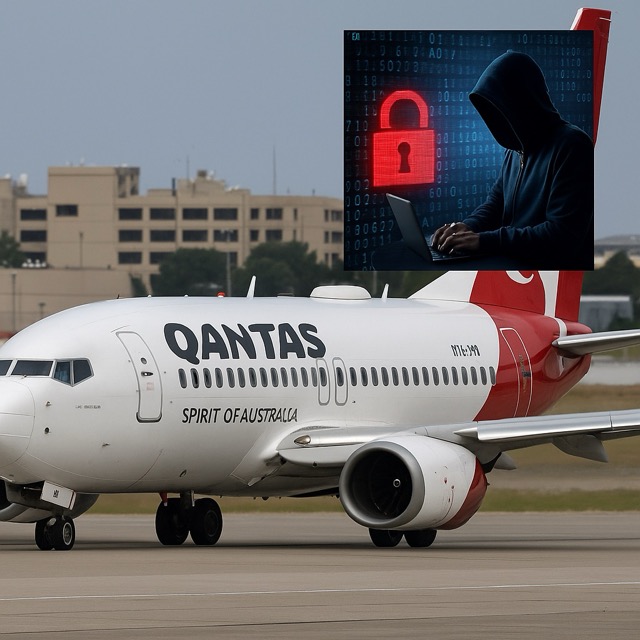
Qantas Airways, Australia’s flagship airline, is in the midst of a sweeping investigation after a significant cybersecurity breach compromised the personal data of up to six million customers. The breach, which was first detected late last week, is suspected to be the work of the same cybercriminal group responsible for last year’s attack on UK retail giant Marks & Spencer.
According to sources within Qantas and cybersecurity experts close to the case, the airline is exploring connections between the two breaches, noting similarities in the methods used to infiltrate customer databases. While the airline has yet to formally name the group, independent analysts point to a sophisticated Eastern European hacking syndicate believed to be operating through a network of proxies and darknet servers.
Qantas confirmed the breach in a public statement released Monday, acknowledging that names, frequent flyer numbers, travel itineraries, and limited payment details may have been accessed. “We are treating this incident with the utmost seriousness,” the airline said. “Our cybersecurity teams are working around the clock with international investigators and government agencies to assess the extent of the breach and ensure customer protection.”
The Australian Signals Directorate (ASD) has been mobilized to support the investigation, and law enforcement agencies in both Australia and the UK are sharing intelligence. Cybersecurity experts believe the breach may have originated from a compromised third-party vendor with access to Qantas customer systems—an attack vector increasingly exploited by sophisticated cybercrime groups.
“It’s a classic supply chain infiltration,” said Dr. Madeline Yeo, a cybercrime analyst at the University of New South Wales. “These hackers are no longer breaking in through the front door. They exploit the weakest link in the digital ecosystem.”
The breach has sparked a wave of concern among customers, many of whom took to social media demanding clarity and accountability. Qantas has launched a dedicated helpline and pledged to provide identity protection and credit monitoring services to all affected individuals.
The company’s reputation, long considered one of the strongest among global airlines, faces a significant test. Analysts warn that the timing couldn’t be worse: Qantas is in the middle of a digital overhaul aimed at modernizing its customer interface and loyalty program, and had recently announced record profits following the post-pandemic travel resurgence.
“This is not just a data issue. It’s a trust issue,” said aviation analyst Laura McGrath. “Customers need to feel secure when they hand over their personal data. If Qantas doesn’t handle this with full transparency, the long-term damage could be substantial.”
The airline has not confirmed whether any ransom demands have been received, but several cybersecurity firms tracking the group’s activity suggest that stolen data may already be circulating on dark web forums. Comparisons with the Marks & Spencer attack, which led to the exposure of customer emails and passwords, have intensified pressure on Qantas to act swiftly.
As digital attacks on high-profile corporations become more frequent and sophisticated, governments and industries are scrambling to fortify defenses. In Australia, this latest breach is expected to reignite debates about mandatory breach reporting, corporate responsibility, and the role of international cooperation in cybercrime prevention.
For Qantas, the coming weeks will be critical. The airline must balance crisis response with long-term digital resilience strategies, all while maintaining public confidence. As the investigation continues, millions of customers—and the global airline industry—are watching closely.




 The Tower Post