Speculations Arise Over Alleged Secret Deals Between Trump and Putin

In a move that has shocked the international community and sent ripples across global diplomatic circles, the United States has abruptly halted its military aid to Ukraine. This decision, made without clear public justification, has sparked widespread criticism from both sides of the Atlantic, as well as from within Washington itself. The halt comes at a critical time when Ukraine continues to defend its sovereignty against ongoing Russian aggression.
Multiple sources within the Pentagon and the State Department, speaking on condition of anonymity, revealed that the freeze in military aid—particularly the shipment of advanced missile systems and air defense units—was ordered directly by high-level officials close to former President Donald Trump. The same sources suggest that this move may be connected to a series of undisclosed meetings and communications between Trump and Russian President Vladimir Putin during and after Trump’s presidency.
The alleged existence of secret agreements between the two leaders is now the subject of renewed investigations on Capitol Hill. Documents leaked last month to major news outlets suggest that Trump may have promised a re-evaluation of NATO’s role in Eastern Europe and a reduction of U.S. military support to Ukraine, in exchange for favorable business dealings and political backing from Moscow.
While the White House has yet to comment formally, President Biden’s press secretary denounced the aid freeze as “a dangerous regression in our foreign policy,” calling on Congress to investigate the origins and motivations behind the decision. Lawmakers from both parties are demanding transparency, though divisions remain stark over how to proceed.
Former intelligence officials argue that the situation bears troubling similarities to past episodes where foreign policy was influenced by private interests. “What we are seeing here is potentially the most serious breach of trust in U.S. foreign relations since the Cold War,” said Fiona Reynolds, a former CIA analyst. “If confirmed, it will redefine how we view America’s role in global security.”
Meanwhile, Ukrainian officials have expressed deep concern over the development. In a televised address, President Volodymyr Zelensky stated that “the betrayal of Ukraine by its strongest ally sends a dark message to all nations fighting for democracy.”
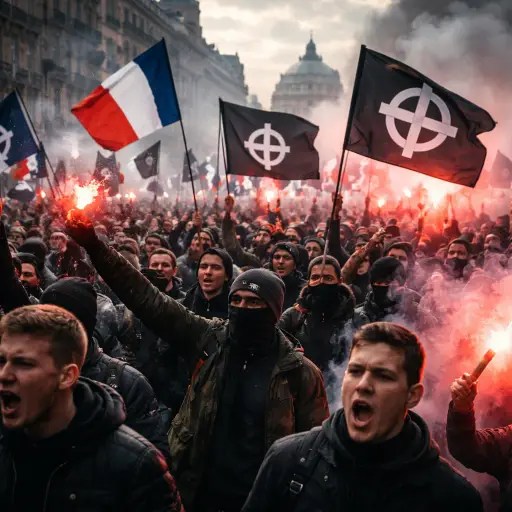
Public protests have erupted in Washington, Kyiv, and several European capitals. Demonstrators are calling for the immediate resumption of aid and a full inquiry into the alleged Trump-Putin dealings. The European Union, while continuing to supply Ukraine with weapons and humanitarian aid, has voiced its alarm over the United States’ shift in policy.
Political analysts speculate that this episode could heavily influence the 2026 midterm elections. With Trump hinting at another run for office and his enduring influence over the Republican Party, the issue of U.S.-Russia relations and support for Ukraine is likely to dominate the political landscape for months to come.
As investigations unfold and more information surfaces, the world watches closely. The stakes are immense—not just for Ukraine, but for the future of Western unity and the credibility of democratic alliances.
Stay tuned as we continue to cover this developing story.



 The Tower Post