Controversial €43M shift from compensation fund for mafia crime victims to Milan-Cortina 2026 Olympics raises ethical concerns and political backlash.
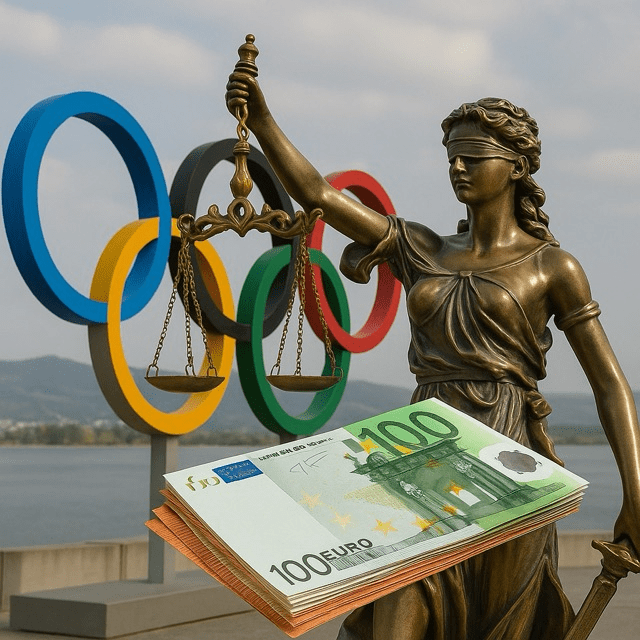
A recent decision by the Italian government to reallocate €43 million from a fund originally intended to support victims of mafia-related crimes to the Milan-Cortina 2026 Winter Olympics has sparked outrage among civil society groups, victim advocacy organizations, and opposition lawmakers.
The controversial move, disclosed in a budgetary amendment approved quietly during parliamentary negotiations, shifts critical financial resources away from a fund established to compensate individuals and families affected by organized crime. The redirection of funds toward Olympic infrastructure and operational expenses has prompted a national debate over political priorities, ethics, and the symbolism of justice in Italy’s ongoing battle with the mafia.
“The decision is not just financially questionable—it is morally indefensible,” said Rosaria Costa, a prominent anti-mafia advocate and widow of a police officer killed in a mafia bombing in the early 1990s. “These funds represent a promise made by the state to those who have suffered the worst forms of violence and intimidation. Redirecting them to sporting events is a betrayal.”
Officials involved in the planning of the Milan-Cortina Games argue that the move was necessary to close a budget gap in the Olympic preparations and that the funds will be replenished through alternative government channels. But critics are unconvinced.
“This is a matter of priorities,” said Senator Francesco Laforgia. “If we cannot fund the Olympics without touching money meant for victims of organized crime, then something is fundamentally wrong with how we are budgeting.”
The fund for mafia victims has long been seen as a crucial tool in Italy’s fight against organized crime. It provides financial aid for families of murdered journalists, law enforcement officers, and innocent civilians caught in the crossfire of mafia violence. It also supports individuals who have cooperated with justice, often living under protection and facing severe economic hardship.
Redirecting funds away from this lifeline, even temporarily, has raised fears that the move could set a dangerous precedent. Civil society groups have warned that the decision risks undermining decades of progress in victim support and weakening the moral resolve of the Italian state.
The government, led by Prime Minister Giorgia Meloni, has downplayed the controversy. A spokesperson said the reallocation is “temporary and technical,” and does not reflect a deprioritization of the state’s commitment to justice. Nonetheless, the backlash has grown louder, with several NGOs planning protests in Rome and Milan in the coming weeks.
Milan-Cortina 2026 is projected to cost more than €3 billion, with significant public and private investment earmarked for venues, transport infrastructure, and security. Italy hopes to use the Games as a platform to boost tourism and promote its global image. But this latest funding scandal has cast a shadow over the lead-up to the international event.
“This isn’t just about numbers on a balance sheet,” said Giuseppe Antoci, former president of the Nebrodi Park and a mafia target turned activist. “It’s about what kind of country we want to be. Do we reward silence and spectacle, or do we honor those who paid the price for speaking out against the mafia?”
As pressure mounts on the government to reverse the decision, many are calling for increased transparency and a firm legislative safeguard to protect justice-related funds from future diversions. For now, however, Italy faces a moral dilemma that no medal ceremony can easily gloss over.

 The Tower Post