The democratic socialist candidate for NYC mayor wants to eliminate billionaires — but critics argue that wealth creation is not the enemy of equity.
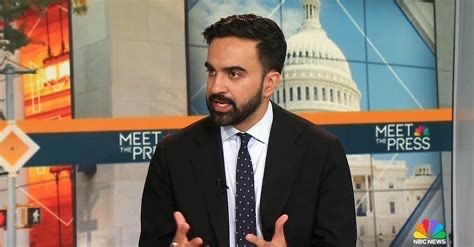
New York City mayoral candidate Zohran Mamdani, a self-proclaimed democratic socialist, is stirring debate with one of his most provocative campaign messages: that billionaires should not exist. While his supporters see this as a rallying cry for economic justice, critics argue that Mamdani’s stance is misguided, economically naive, and ignores the role billionaires play in driving innovation, philanthropy, and job creation.
Mamdani, a state assemblyman from Queens, has built his platform on progressive reforms—universal housing, public transit expansion, and wealth redistribution. But it is his unapologetic condemnation of extreme wealth that has made headlines. “Nobody makes a billion dollars. They take a billion dollars,” Mamdani declared during a recent rally, echoing sentiments from other left-wing politicians like Alexandria Ocasio-Cortez and Bernie Sanders.
His campaign insists that a city as unequal as New York must reckon with the concentration of wealth in the hands of a few. According to his team, eliminating billionaires through aggressive taxation and financial regulation would level the economic playing field and allow for massive reinvestment into public services.
Yet economists and civic leaders from across the spectrum question the logic. “This rhetoric oversimplifies the complexity of the economy,” said Dr. Martha Greenfield, an economist at NYU. “Billionaires often emerge from building companies that employ thousands, pay taxes, and contribute to the city’s dynamism. Demonizing success sends the wrong message.”
New York is home to some of the world’s wealthiest individuals—many of whom have made substantial philanthropic contributions, from funding hospitals and universities to supporting housing and the arts. Critics argue that Mamdani’s blanket condemnation fails to distinguish between exploitative practices and responsible wealth.
There is also a pragmatic concern. City budgets rely heavily on the tax contributions of high earners. Recent data shows that the top 1% of earners pay nearly 40% of New York State’s income tax revenue. “Driving billionaires out of the city would create a budgetary black hole,” said Richard Goldberg, a fiscal analyst with the Manhattan Institute. “You don’t fix inequality by collapsing your tax base.”
Even among progressives, Mamdani’s stance is drawing mixed reactions. While many agree with the need for fairer taxation and closing corporate loopholes, some worry that his messaging could alienate centrist voters and business leaders, making meaningful reform harder to achieve.
“I respect his passion, but there’s a difference between fighting inequality and vilifying success,” said Councilwoman Marisol Vega, a progressive Democrat from Brooklyn. “New York needs bold ideas—but also grounded leadership.”
Supporters argue Mamdani is merely shifting the Overton window and forcing a necessary conversation about wealth concentration. But in a city that thrives on finance, tech, and entrepreneurship, the idea of outlawing billionaires could backfire—economically and politically.
As the mayoral race heats up, Mamdani’s challenge will be to refine his message and convince voters that his vision of economic justice includes room for ambition and enterprise. Whether New Yorkers embrace or reject that message will help shape the city’s economic philosophy for years to come.


 The Tower Post