As summer temperatures soar, so does the risk of infants dying in overheated vehicles — a silent and preventable crisis gaining urgency worldwide.
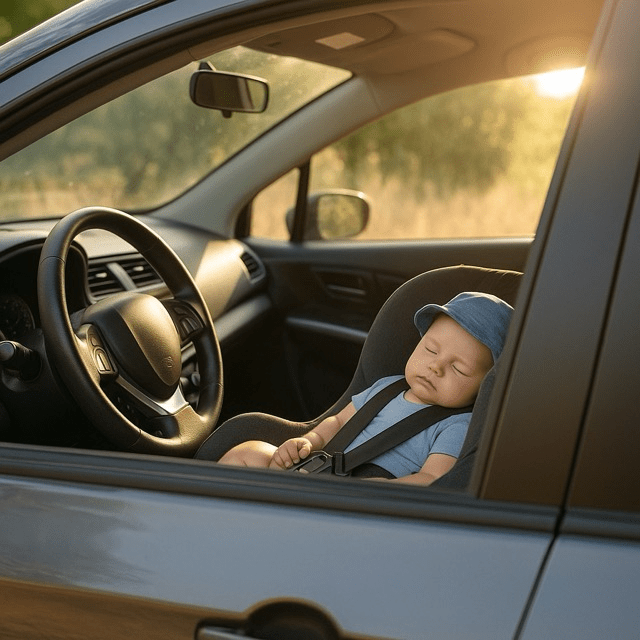
With the arrival of scorching summer temperatures across Europe and North America, experts are raising urgent alarms about a recurring — and entirely preventable — tragedy: children left to die in hot cars. Known as Forgotten Baby Syndrome, the phenomenon occurs when a caregiver unintentionally leaves a child behind in a vehicle, often with devastating consequences.
Every summer, heartbreaking headlines emerge: toddlers found unresponsive, emergency responders called too late, families torn apart by a momentary lapse in memory. Already this year, multiple cases have been reported in Italy, Spain, and the United States, prompting renewed calls for public awareness and legislative action.
According to child safety organizations, the internal temperature of a parked vehicle can climb by more than 20°C (36°F) in just 10 minutes, even with windows slightly cracked. For a small child, whose body regulates heat differently than an adult, such conditions can become fatal in under an hour.
“Forgotten Baby Syndrome is not about negligence — it’s about neuroscience,” explains Dr. Laura Campanelli, a pediatric neurologist in Milan. “It’s a catastrophic failure of the brain’s memory systems, often triggered by stress, fatigue, or changes in routine.”
While it may seem unthinkable, psychological studies confirm that even loving, attentive parents can fall victim. The brain’s habit memory system, which governs routine actions like driving to work, can override the prospective memory system — which is responsible for remembering something out of the ordinary, like dropping a child at daycare.
With more dual-income households, busy schedules, and distracted driving environments, the risk is rising. Data from the U.S.-based organization Kids and Cars reports an average of 38 child deaths per year due to vehicular heatstroke. European data is more fragmented but shows similar seasonal patterns.
Efforts to address the crisis have been uneven. Italy became the first European country to require anti-abandonment devices in 2019, mandating child safety alarms for all car seats used by children under four. France and Germany are considering similar measures, but widespread implementation is still lacking.
Technology offers hope. Many newer vehicles are equipped with rear seat reminder systems, and aftermarket devices can send alerts to a caregiver’s phone if the child is left behind. However, cost, access, and public awareness remain barriers to adoption.
“The technology exists. The challenge is getting it into every vehicle — and making sure people use it,” said Maria Esposito, founder of a Rome-based child safety advocacy group.
In the meantime, public health experts are urging simple behavioral changes: placing a diaper bag or toy in the front seat as a visual cue, setting smartphone reminders, and encouraging daycare providers to call if a child doesn’t show up.
Some campaigners want more aggressive policies, including mandatory systems in all cars, public service campaigns, and harsher penalties for violations. Others emphasize empathy and education over punishment.
“Grief-stricken parents don’t need jail — they need support, and so does the public,” said Dr. Campanelli.
As heatwaves intensify under climate change, the urgency of the issue only grows. Forgotten Baby Syndrome is not just a tragic footnote of summer — it’s a public safety crisis that demands action from governments, automakers, and families alike.




 The Tower Post