As geopolitical risks increase, the Port of Rotterdam strengthens its defenses and supply chain resilience to face potential conflict scenarios
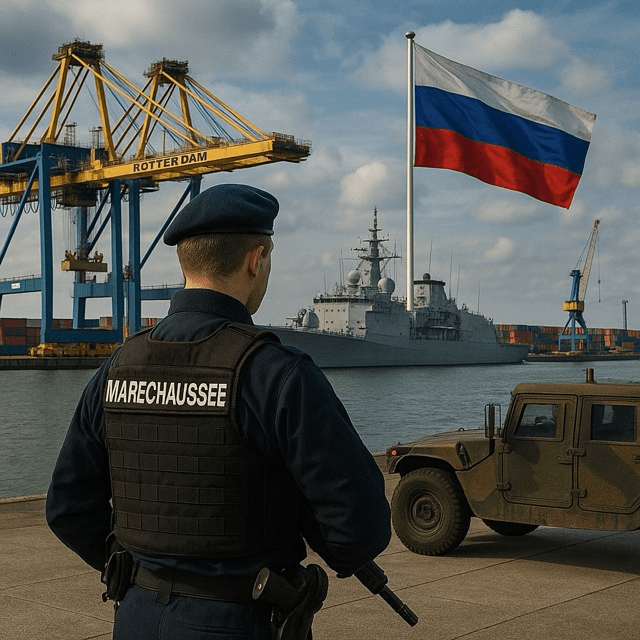
As international tensions with Russia continue to escalate, the Port of Rotterdam—Europe’s busiest and most strategically significant seaport—is ramping up preparations for possible military and hybrid threats. Once a purely commercial hub, Rotterdam is now being treated as a critical frontline asset by NATO and Dutch defense authorities.
A Strategic Maritime Gateway Under Watch
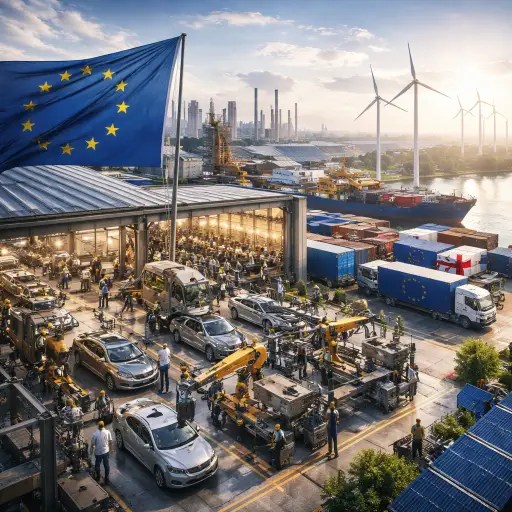
Rotterdam processes over 14 million containers a year and serves as the entry point for nearly one-third of all goods entering Europe. It is not just an economic artery—it’s also a vital logistics base for military operations and energy flows. With the war in Ukraine still active and NATO’s eastern flank on high alert, the port’s importance has only grown.
Dutch officials, in coordination with NATO allies, have confirmed increased movement of military shipments through the port. Armored vehicles, ammunition, and fuel supplies are now routinely transferred through Rotterdam en route to Eastern Europe. The Netherlands’ Royal Navy has increased patrols around the port’s waters, while military police maintain a visible presence along the quays and terminals.
From Cyber Threats to Naval Incursions
It’s not just physical threats that concern authorities. Cybersecurity has become a top priority, particularly after the 2017 NotPetya attack—which disrupted shipping worldwide and affected key players operating in Rotterdam.
In anticipation of similar or more advanced cyberattacks potentially linked to Russian actors, the port has enhanced its cyber infrastructure. Dedicated security teams are monitoring network vulnerabilities, simulating attacks, and coordinating with European cybersecurity agencies. Drones now monitor container yards, while AI-based systems flag anomalies in real-time.
Energy Hub at the Crosshairs
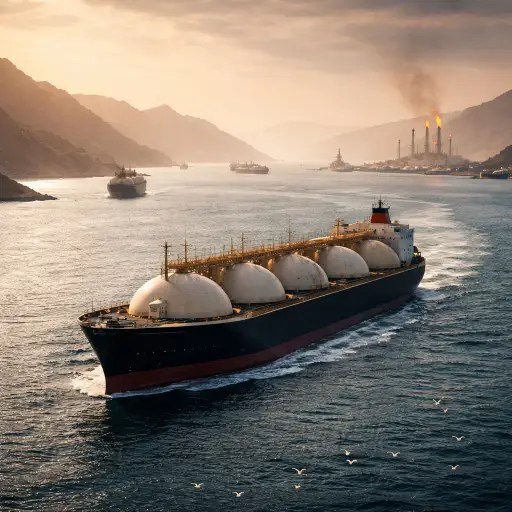
With Europe shifting away from Russian energy, Rotterdam’s role as a terminal for liquefied natural gas (LNG) and refined fuels has taken on new strategic weight. U.S. and Qatari tankers now make regular stops, and storage capacity at the port has expanded significantly.
Military analysts warn that these energy assets are increasingly attractive targets—not just for sabotage, but for disinformation campaigns and cyber disruptions that could destabilize European energy markets.
Coordination, Contingency, and Continuity
Behind the scenes, Rotterdam is working closely with other European ports—such as Antwerp, Hamburg, and Gdańsk—to build a network of redundant supply routes. Joint exercises are conducted to simulate scenarios ranging from naval blockades to drone incursions.
“All key assets must now be dual-use: commercial and defensive,” says Martijn Koelewijn, a maritime security consultant advising the Dutch government. “Ports like Rotterdam are no longer neutral spaces in modern conflict—they are strategic targets.”
Emergency protocols have also been updated. In the event of high-alert scenarios, Rotterdam can now shift to military-first logistics, prioritize defense cargo, and enforce maritime security zones within hours.
Prepared, Not Provocative
Despite the rising tensions, port officials and Dutch authorities are keen to emphasize that these preparations are defensive, not aggressive. The aim is to maintain continuity of operations and protect Europe’s logistical backbone.
“We are not waiting for something to happen. We are planning so that nothing does,” said a Port of Rotterdam spokesperson. “Resilience is the best form of deterrence.”
As the geopolitical balance in Europe continues to shift, Rotterdam stands not only as a symbol of trade and commerce—but as a well-defended fortress of European stability.


 The Tower Post