Avant-Garde Designs and Celebrity Clientele Fuel Brand’s Viral Moments
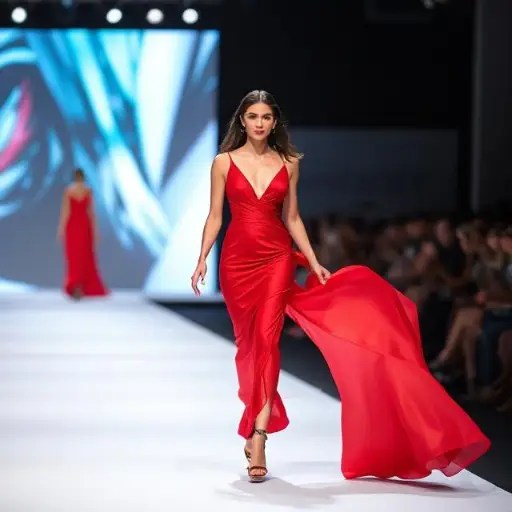
Schiaparelli, the nearly century-old Italian fashion house, has once again captured the spotlight at Paris Couture Week with its bold, war-inspired futuristic designs. Founded in 1927 by Elsa Schiaparelli, the brand has a rich history of innovation and avant-garde style. Under the creative direction of Daniel Roseberry, who took the reins in 2019, Schiaparelli has become synonymous with viral internet moments, from Kylie Jenner’s hyper-realistic lion headdress to Bella Hadid’s gold necklace resembling a pair of lungs.
This season’s collection continued to push the boundaries of couture, with a mix of high-net-worth clients and A-list celebrities in the front row. One of the most talked-about attendees was Lauren Sánchez, who wore a custom Schiaparelli couture gown to a prenuptial party with Jeff Bezos last month. The dress, featuring a tightly corseted bodice covered in shimmering bugle beads, was identified by online fashion sleuths and is speculated to have cost a staggering $100,000.
Roseberry revealed that Sánchez was a client, meaning she purchased the dress rather than borrowing it – a rarity in the celebrity-driven world of fashion. This exposure has been a game-changer for the brand, with Roseberry describing it as “different” and “mission critical” for Schiaparelli’s success. The brand’s use of celebrity clientele has been a key factor in its success, with Roseberry stating that it’s “mission critical” for the brand.
Schiaparelli’s history dates back to the 1920s, when Elsa Schiaparelli, a young Italian designer, opened her first boutique in Rome. She quickly gained a reputation for her bold, surrealist designs, which often featured bright colors, bold prints, and innovative textiles. In the 1930s, Schiaparelli’s designs became a staple of the Parisian fashion scene, with her iconic “Schiaparelli” logo becoming a symbol of luxury and sophistication.
The brand’s archives, which Roseberry drew inspiration from for this season’s collection, are a treasure trove of fashion history. The archives feature a vast collection of designs, from Schiaparelli’s early work in the 1920s to her later, more avant-garde designs in the 1950s and 1960s. The archives also include a wealth of photographs, sketches, and other documents that provide a unique insight into the brand’s history and creative process.
This season’s collection’s inspiration came from a series of photographs found in the house’s archive, taken in Paris just before the German invasion in 1940. Roseberry aimed to make the archives feel “futuristic,” resulting in a line-up that is both mournful and turbocharged. The brand’s signature corseted silhouettes have been replaced by shorter bustiers and evening gowns cut on the bias, while trompe l’oeil effects – a signature Schiaparelli technique – are prominently featured.
However, Roseberry hinted that he may be moving away from the type of viral, red carpet-dominating pieces that have become the brand’s trademark. Instead, he wants to focus on creating a sense of surprise and unpredictability. “I just want to keep pushing forward,” he said. “I just don’t want anyone to know what to expect.”
With its avant-garde designs, celebrity clientele, and ability to generate viral moments, Schiaparelli is cementing its place as a leading force in the world of haute couture, constantly pushing the boundaries of fashion.




 The Tower Post