Unanswered questions, political whispers, and a nation searching for truth
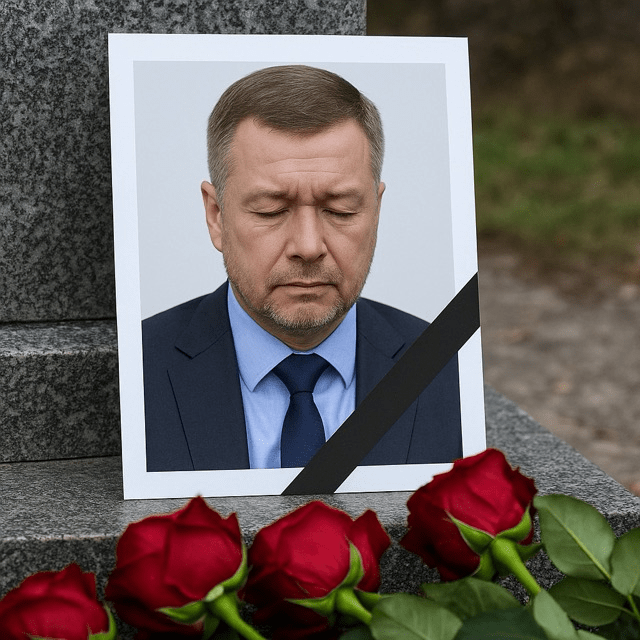
The sudden and tragic death of Roman Sterovoit, a prominent regional governor in Russia, has sparked a wave of speculation, suspicion, and mourning across the country. Official reports have labeled the incident a suicide, yet the circumstances surrounding his death have left many unconvinced.
A Rising Star in Regional Politics
Sterovoit, who served as the governor of the Kursk region, was widely regarded as a rising figure in Russian regional politics. Known for his pragmatic style and public accessibility, he had gained a loyal following for his infrastructural reforms and handling of crises in a border region increasingly impacted by the ongoing war in Ukraine.
His body was found in his private residence just outside the city of Kursk. According to preliminary police reports, there were no signs of forced entry. The cause of death was listed as self-inflicted gunshot wounds. The swift conclusion, however, has raised eyebrows even among his allies.
Suspicion and Silence
The lack of a suicide note and the speed with which federal authorities declared the case closed have only deepened public suspicion. “Something doesn’t add up,” said a political journalist from Moscow who requested anonymity. “He was under pressure, sure, but he was also incredibly composed—right up to his last public appearance.”
Sterovoit had recently faced scrutiny over alleged irregularities in the allocation of reconstruction funds meant for areas affected by border shelling. While no formal investigation had been opened, sources close to the matter say the pressure was mounting.
Political Undercurrents
Rumors swirl around the possibility of Sterovoit becoming a liability in a power struggle between regional elites and the Kremlin. His growing popularity and independent media presence may have drawn the ire of higher-ups. Though there is no concrete evidence to support such theories, the pattern of sudden political exits in Russia adds fuel to public speculation.
The Kremlin has issued a brief statement expressing condolences and dismissing “politicized interpretations.” Still, the lack of transparency has created a vacuum that conspiracy theories are quick to fill.
A Family Left Behind
Sterovoit is survived by his wife and two children. Friends describe him as a devoted family man and an unusually candid political figure. “He never hid his frustrations with the system,” said a former aide. “But he also believed things could change.”
His funeral was a private affair, with heavy security and limited press access. The low-profile ceremony has been interpreted by some as a further attempt to suppress broader public interest.
Legacy and Unresolved Questions
For many in Kursk and beyond, Sterovoit’s death is more than a personal tragedy—it’s a symbol of the risks faced by regional leaders navigating Russia’s volatile political terrain. His supporters have called for an independent inquiry, but few expect one to materialize.
In the absence of clarity, the memory of Roman Sterovoit now floats in a gray zone between tribute and controversy. His death marks the end of a career that once promised reform—and highlights the cost of political ambition in an opaque and unforgiving system.


 The Tower Post