Political turmoil grows as Justice Minister Carlo Nordio is accused of misleading Parliament in high-profile judicial scandal
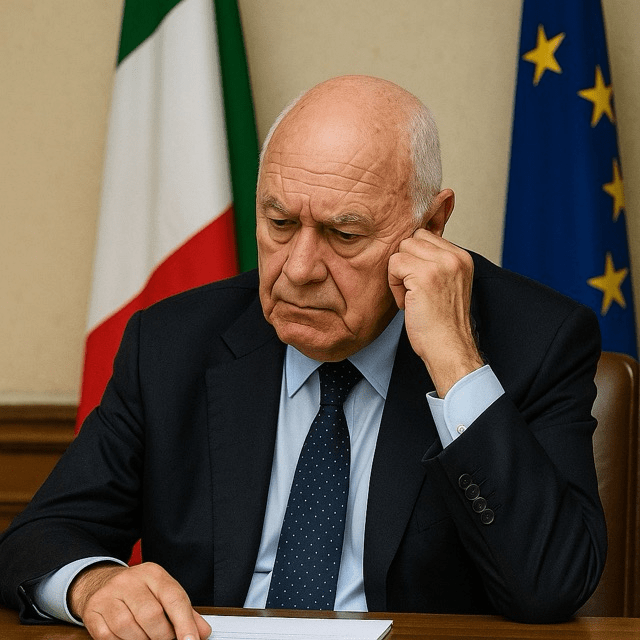
ROME — The Italian political landscape is once again shaken by controversy, this time surrounding Justice Minister Carlo Nordio. Allegations that Nordio knowingly misled Parliament about the details of the high-profile Almastri case have ignited a political firestorm, prompting calls for his resignation from both opposition leaders and members of the ruling coalition.
The Almastri case, which has captured national attention for months due to its implications for judicial integrity and political accountability, took a dramatic turn earlier this week. New documents released by investigative journalists suggest that Nordio had access to critical information regarding prosecutorial misconduct and failed to disclose it during a parliamentary hearing in March.
According to sources close to the inquiry, the documents reveal that Nordio was briefed on irregularities in the investigation against Marco Almastri, a businessman accused of financial crimes. Despite this, he assured lawmakers that the judicial process had been conducted with full transparency and without interference. This contradiction has raised serious concerns about Nordio’s credibility and sparked intense debate in both houses of Parliament.
“This is not a simple miscommunication. This is a deliberate attempt to shield the truth from the Italian people,” said Senator Elisabetta Guerra of the Democratic Party. “The Justice Minister cannot remain in office after betraying the trust of Parliament.”
The backlash has been swift and vocal. In a rare moment of consensus, members from across the political spectrum have expressed outrage. Even within Prime Minister Giorgia Meloni’s coalition, voices of dissent are growing louder. Some insiders suggest that Meloni herself is weighing whether to ask for Nordio’s resignation to preserve the integrity of her government.
Meanwhile, the Justice Ministry has remained largely silent, issuing only a brief statement denying any intentional wrongdoing and pledging “full cooperation with any institutional inquiry.” Nordio has yet to appear publicly or issue a personal response, further fueling speculation about his political future.
Legal analysts argue that the potential implications go beyond individual accountability. “If these allegations are proven, it strikes at the heart of judicial independence,” says Professor Andrea Rinaldi, a constitutional law expert at the University of Bologna. “It’s a stress test for Italian democracy.”
As pressure mounts, Parliament is expected to hold an emergency session next week, where opposition leaders are likely to table a motion of no confidence. Whether Nordio will survive the political fallout remains uncertain, but one thing is clear: the Almastri case has now become a defining moment for Italy’s justice system — and for Carlo Nordio himself.




 The Tower Post