Over 100 dead in catastrophic flash floods as experts warn climate resilience is lagging behind rising risks
Texas Flood Disaster Exposes Gaps in Early Warning Systems
Over 100 dead in catastrophic flash floods as experts warn climate resilience is lagging behind rising risks
Austin, Texas — A devastating flash flood has claimed the lives of more than 100 people across central and eastern Texas, exposing alarming deficiencies in emergency preparedness and early warning systems — even in regions well-acquainted with the dangers of sudden and extreme weather.
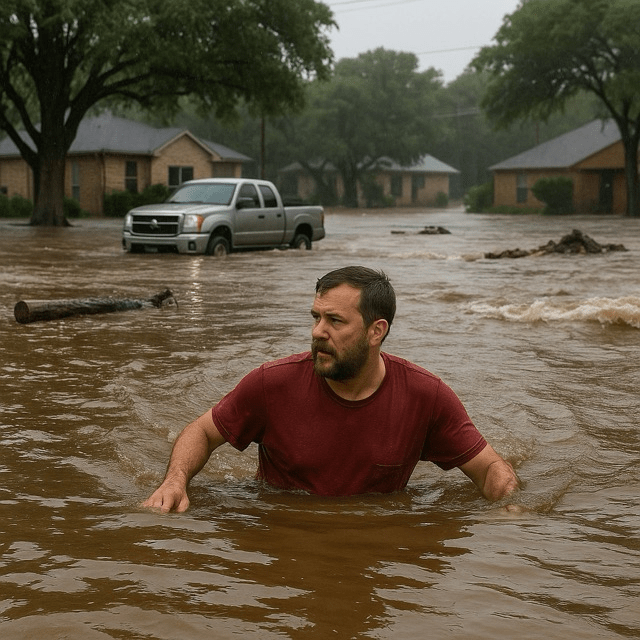
The unprecedented deluge, fueled by record-breaking rainfall and saturated ground conditions, struck in the early hours of Tuesday morning. Entire neighborhoods were submerged within minutes. Cars were swept away, homes inundated, and rescue services overwhelmed.
Emergency sirens failed to activate in several counties. Many residents reported receiving no alerts before the floodwaters surged into their homes. “It is particularly shocking and concerning that the flood was so deadly in a place that knows they are at risk of flash floods,” said a senior adviser at the Red Cross Red Crescent Climate Centre. “We must ask why the systems meant to protect people failed so dramatically.”
Texas officials acknowledged the gaps in the state’s warning infrastructure, citing power outages, technical failures, and outdated alert protocols. Governor Greg Abbott has declared a state of emergency in 15 counties and called for a full review of Texas’s disaster response system. “This is a wake-up call,” he said at a press conference in Houston. “Lives were lost because systems didn’t work as they should.”
The catastrophe comes as climate experts raise the alarm about the growing intensity and frequency of extreme weather events. According to NOAA, the U.S. has seen a 30% increase in flash flooding incidents over the last decade, a trend scientists link directly to warming temperatures and disrupted weather patterns.
“This tragedy underscores a global challenge,” said Dr. Leena Bhandari of the International Climate Risk Observatory. “Technology exists to warn people earlier and more effectively, but the political will, funding, and coordination often lag behind.”
In the aftermath, rescue and recovery teams continue to search for the missing, while thousands remain displaced. Shelters across Texas are at capacity, and the Red Cross has launched an emergency fund to support affected families.
As the water recedes, questions remain: How could such a catastrophe occur in a state with a long history of flash flooding? Why were early warning systems — including text alerts, emergency sirens, and meteorological tracking — insufficient?
Lawmakers at both the state and federal level have vowed action. A congressional hearing on disaster resilience and public alert systems is expected next week. Meanwhile, community leaders are calling for urgent investments in climate adaptation, floodplain mapping, and real-time public alert platforms.
For the survivors of this week’s flood, those changes cannot come soon enough. “We trusted the system,” said Maria Torres, a resident of San Marcos who lost her home. “But the water came before the warnings.”




 The Tower Post