Diplomatic tensions flare as Tripoli rejects Italian overture, raising fears of renewed migrant landings on Italian shores
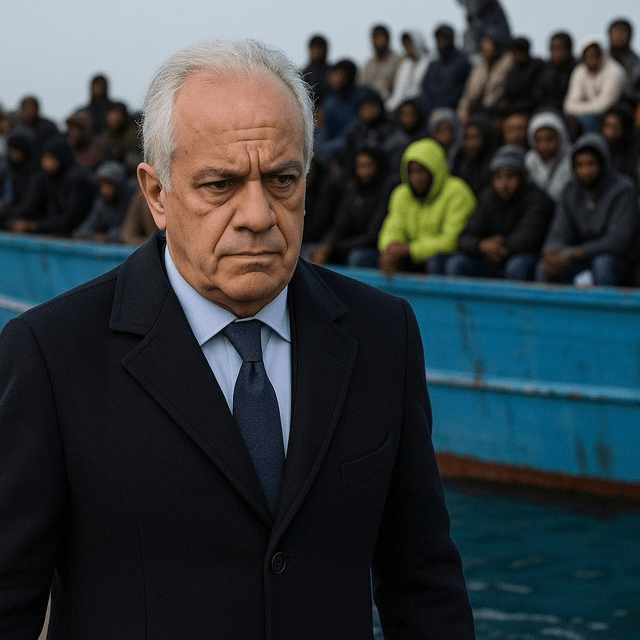
Libya Snubs Italy: Minister Piantedosi Rebuffed Amid Mounting Migration Crisis
Diplomatic tensions flare as Tripoli rejects Italian overture, raising fears of renewed migrant landings on Italian shores
Rome — Italy’s diplomatic efforts to stem the tide of Mediterranean migration suffered a major setback this week as Libyan authorities abruptly canceled a scheduled visit by Interior Minister Matteo Piantedosi. The move, widely seen as a diplomatic snub, has sent shockwaves through Rome and raised urgent concerns about an impending new wave of migrant arrivals.
Minister Piantedosi was due to travel to Tripoli to discuss joint security operations, border surveillance, and renewed cooperation on stemming departures from Libya’s western coast. But just hours before departure, Libyan officials informed the Italian delegation that the meeting was off — no explanation, no reschedule.
“This is not just a scheduling issue. This is a message,” said an Italian diplomat speaking on condition of anonymity. “It reflects deteriorating trust and coordination between the two countries.”
The rebuff comes at a particularly fragile moment. Italian intelligence services have warned of increased activity by smuggling networks along Libya’s coast, with favorable summer weather likely to prompt a surge in attempted crossings. NGOs operating search-and-rescue vessels in the central Mediterranean also report a spike in distress calls in recent weeks.
In Rome, the government of Prime Minister Giorgia Meloni has made migration a central issue, promising to tighten controls while pursuing cooperation with North African states. Piantedosi, a key figure in that strategy, now finds himself politically exposed.
Opposition lawmakers have seized on the incident. “Italy is losing credibility in North Africa,” said Elly Schlein, leader of the Democratic Party. “We need a serious, multilateral approach — not diplomatic showmanship.”
Libya, meanwhile, remains mired in internal divisions between rival governments in Tripoli and Benghazi. Some analysts believe the snub may be linked to shifting alliances within Libya’s fragmented political landscape — or even pressure from external actors such as Turkey or Russia.
“Italy has bet heavily on relationships that are inherently unstable,” said analyst Karim Badr of the Mediterranean Policy Institute. “And when things fall apart, Rome is left without leverage.”
The immediate consequence could be a humanitarian and logistical crisis. Italy’s southern islands, particularly Lampedusa and Sicily, are already near capacity. Mayors and local officials have sounded the alarm about overcrowding and a lack of resources to manage a new influx.
Human rights groups are also watching closely. “We’re concerned that Italy may respond with increased pushbacks or restrictive measures that put lives at risk,” said Chiara Manetti of Sea Rights Watch. “This is a time for diplomacy and humanity — not reactionary policies.”
For now, Italy waits. But all signs suggest that the sea route between Libya and Europe is about to heat up again — and that the fragile diplomacy Italy hoped would hold back the tide may be cracking under the pressure.



 The Tower Post