Navigating the Complex World of Drone Technology
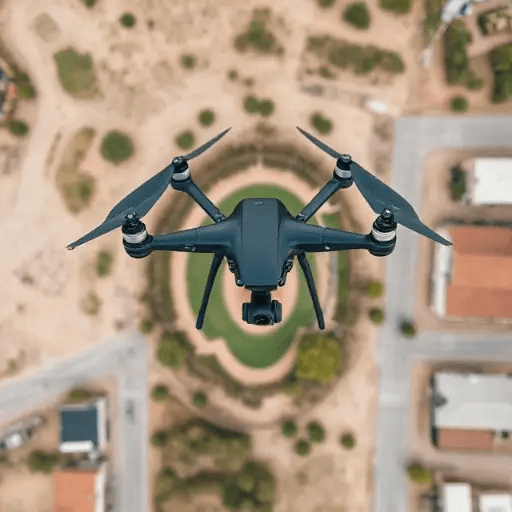
In recent years, drones have become an essential tool for photographers and videographers looking to capture stunning aerial footage. With the rise of drone technology, it’s no longer necessary to hire a helicopter or climb a mountain to get the perfect shot. However, with so many options available, it can be overwhelming to choose the right drone for your needs.
As a seasoned drone pilot and FAA-certified Part 107 remote pilot, I’ve reviewed over 67 drones to help you make an informed decision. In this article, I’ll guide you through the top drone options for photography and video, highlighting the features and benefits of each model.
The DJI Mini 4 Pro: A Top Pick for Most Pilots
The DJI Mini 4 Pro is my top recommendation for most pilots. Weighing in at just 249g, this compact drone provides excellent image quality and is easy to maneuver. With its Quad Bayer camera, 4K60 HDR video, and automated flight modes, the Mini 4 Pro is perfect for capturing stunning aerial footage. Its APAS function, which helps the drone navigate through complex spaces, is especially useful for beginners.
The Mini 4 Pro is also a great option for pilots who want to skip FAA registration, as it meets the weight requirements for recreational flights. However, for pilots who want to fly for commercial purposes, it’s essential to note that the Mini 4 Pro does not support Remote ID broadcast, which is a requirement for professionals in the US.
The DJI Flip: A Great Option for Beginners
The DJI Flip is another excellent option for pilots who are just starting out. Weighing in at 249g, this drone is also exempt from FAA registration and includes built-in propeller guards and forward obstacle sensors for safe flight. The Flip’s camera quality is also top-notch, with excellent 4K60 video and Raw or JPG stills.
While the Flip is a great option for beginners, it’s essential to note that it doesn’t support Remote ID broadcast, making it unsuitable for commercial pilots.
The Future of DJI Drones in the US
In recent months, DJI has faced intense scrutiny from the US government due to concerns over its alleged role in the Chinese government’s suppression of the Uyghur ethnic minority. While DJI is still available in the US, there are concerns that the brand may face a sales ban in the future.
As a result, pilots should be aware of the potential risks and consider alternative brands, such as Autel Robotics or Potensic. However, it’s worth noting that DJI’s camera quality and aircraft design are still unmatched in the industry.
The Best Drones for Professionals
For pilots who want to fly for commercial purposes, there are several high-end drones available. The DJI Inspire 3 is a top pick for cinema production, featuring a full-frame, 8K camera that can take DJI or Sony lenses. The Mavic 3 is another excellent option, supporting 5.1K50 recording with a Four Thirds format camera in 10-bit HEVC.
For pilots who want a smaller drone with high-end video specs, the Mavic 3 Pro Cine is a worthwhile splurge, featuring a triple camera stack and support for ProRes 422 HQ with a 1TB SSD for onboard storage.
In conclusion, the world of drone technology is complex and constantly evolving. With so many options available, it’s essential to choose the right drone for your needs. Whether you’re a beginner or a seasoned pilot, I hope this guide has provided you with the information you need to make an informed decision.
Remember to always follow the rules and regulations for flying drones, and to consider the potential risks and benefits of each model. With the right drone and a little practice, you’ll be capturing stunning aerial footage in no time.




 The Tower Post