Amid ongoing conflict, civilian healthcare zones become sites of unbearable loss.
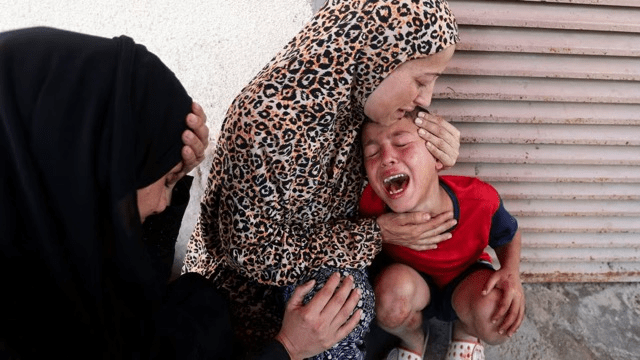
In the early hours of July 10, 2025, an airstrike hit a makeshift clinic on the outskirts of Gaza City, instantly transforming a place of healing into a scene of devastation. Among the casualties were dozens of children, many of whom were accompanied by their mothers seeking medical attention. Witnesses describe a harrowing tableau: young families, already battered by weeks of violence, caught in the blast radius as they waited outside the clinic’s gates for treatment.
The clinic, operated by a coalition of international aid organizations, had become a lifeline for residents of a neighborhood heavily damaged by previous shelling. At least 120 civilians had been treated there since the latest escalation began. According to staff, more than 200 people—predominantly women and children—were queuing for routine check-ups and vaccinations at the time of the strike. Eyewitness testimonies suggest that no military targets were in the vicinity, raising urgent questions about the strike’s justification.
“I saw children holding their mothers’ hands, laughing nervously,” recalls Fatima al-Sayeed, a volunteer nurse. “Then there was a roar, and everything went black. When I came to, I saw bodies everywhere—tiny limbs, torn clothes, mothers screaming.” Local journalists who arrived on the scene reported chaotic scenes, with first responders frantically searching through rubble for survivors. The injured were transported in private cars and taxis to nearby hospitals, which themselves are operating well above capacity.
Medical teams at Gaza’s Shifa Hospital, the territory’s largest medical facility, report treating more than 60 children and 45 women in critical condition following the attack. Dr. Mahmoud Haddad, chief surgeon at Shifa, describes makeshift operating theaters in corridors and wards overflowing with patients. “We are running out of blood, anesthesia, even basic bandages,” he says. “Every child we lose is a tragedy that could have been prevented.”
The Palestinian Ministry of Health has officially condemned the strike as a war crime, calling for an independent investigation. In a statement released on July 11, the ministry said, “Hitting a civilian medical facility and killing innocent mothers and children is an atrocity that demands accountability.” The Ministry has appealed to the International Criminal Court (ICC) to open proceedings against those responsible.
On the international stage, reactions were swift but divided. The United Nations Secretary-General described the strike as “indefensible” and urged both sides to respect international humanitarian law and protect civilians. The European Union’s foreign policy chief called for an immediate ceasefire and pledged to increase humanitarian aid to Gaza. In contrast, the military spokesman for the Israeli Defense Forces (IDF) stated that the clinic had been used by militants, alleging that weapons were stored on the premises. However, no evidence supporting these claims has been publicly presented, and aid organizations operating in the area have strongly refuted the accusation.
Human rights advocates warn that the attack represents a dangerous escalation. “When healthcare facilities are targeted, the fabric of civilian life unravels,” says Mariam Khalil, an Amnesty International researcher. “Families will no longer feel safe seeking care, and the most vulnerable—children, elderly, chronically ill—will suffer the consequences.”
Local residents, traumatized by weeks of intermittent shelling and ground operations, now face additional layers of fear. Schools have closed, water and electricity supplies remain sporadic, and humanitarian convoys struggle to reach the north of the Gaza Strip. The World Health Organization (WHO) reports that almost 70% of Gaza’s healthcare infrastructure is either damaged or destroyed, placing further strain on the sector.
As families mourn their loved ones, calls for accountability have intensified. Grassroots organizations in Gaza have organized peaceful vigils, bearing portraits of the fallen and demanding justice. Meanwhile, diplomatic efforts are underway in Cairo and Brussels to broker a ceasefire and secure safe passage for humanitarian relief. Yet, with violence continuing unabated, the prospects for immediate calm appear dim.
The clinic attack on July 10 will likely become emblematic of wider failures to protect civilian populations in conflict zones. In a region where the boundaries between combatants and non-combatants are often blurred, the loss of children and mothers at a medical facility underscores the urgent need for stricter adherence to international norms. For Gaza’s grieving families, and the global community watching in horror, the question remains: how many more civilian lives must be sacrificed before peace becomes a priority?




 The Tower Post