Albanese’s calls for ICC action against U.S. and Israeli officials trigger unprecedented measures under Trump administration.
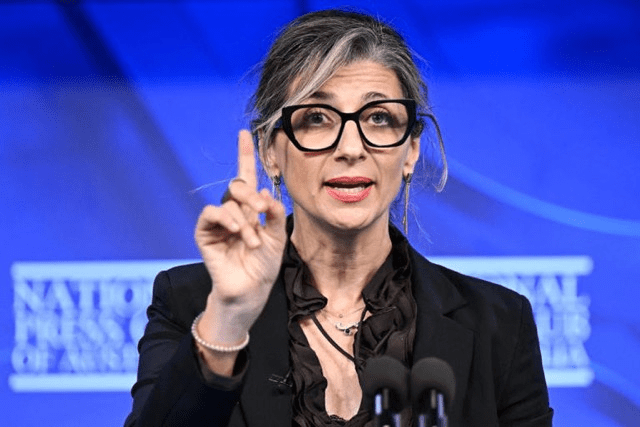
On July 9, 2025, the United States announced sanctions against Francesca Albanese, the United Nations Special Rapporteur on human rights in the occupied Palestinian territories. The measures, unveiled by Secretary of State Marco Rubio, mark the first time a UN Special Rapporteur has been targeted by US economic penalties. The sanctions bar US persons and entities from engaging in financial transactions with Albanese, freeze any assets she may hold in the US, and prohibit her entry into the country—a move that has reverberated through diplomatic and human rights circles.
The US State Department justified the sanctions under Executive Order 14203, originally designed to punish those facilitating investigations by the International Criminal Court into US and allied personnel. Rubio accused Albanese of mounting “illegitimate and shameful” legal campaigns against American and Israeli interests, citing her calls for ICC warrants against senior officials and corporate actors in sectors linked to Israeli settlement expansion. According to the Treasury Department’s announcement, Albanese’s recent report named over 60 businesses allegedly complicit in abuses in Gaza, prompting Washington’s unprecedented response.
Albanese, an Italian international lawyer appointed by the UN Human Rights Council in March 2024, has gained international attention for her candid reports on Gaza’s humanitarian crisis. In her 2025 report, she characterized Israel’s military operations as meeting the legal threshold of genocide and urged states to impose arms embargoes, trade sanctions, and legal accountability measures. Albanese also criticized the United States’ foreign policy, particularly its military assistance to Israel, arguing that US support enabled violations of international humanitarian law.
Reacting to the announcement, Albanese denounced the sanctions as “obscene” and an assault on the principles of international justice. Speaking in Geneva, she asserted that the measures were designed to “weaken my mission” and intimidate critics of powerful states. “No one is free until Palestine is free,” she declared, vowing to continue her work despite the sanctions. The UN High Commissioner for Human Rights, Volker Türk, also called for a prompt reversal of the US decision, warning that penalizing UN experts undermines the independence of international human rights mechanisms.
Human rights organizations swiftly condemned the sanctions. Amnesty International described them as a “shameful attack” on the rule-based international order, with Secretary General Agnès Callamard warning that targeting Special Rapporteurs for their findings sets a dangerous precedent. Human Rights Watch echoed these concerns, stating that the US move aimed to silence accountability for grave abuses. In contrast, some commentators in conservative US media praised the decision as a necessary defense of national interests against what they deemed biased UN scrutiny.
The European Union expressed deep regret over Washington’s action. EU spokesperson Peter Stano emphasized that sanctioning a UN expert was “incompatible” with the bloc’s commitment to international law and free inquiry. Brussels also indicated it would explore measures to safeguard the independence of UN mechanisms, possibly through coordinated diplomatic démarches. Meanwhile, Israel’s government, long at odds with Albanese’s reports, welcomed the sanctions as validation of its position that UN scrutiny was unfairly slanted against it.
The sanctions have broader implications for US–UN relations. Since 2019, the US has distanced itself from several UN bodies, including the World Health Organization and the Human Rights Council. Under President Donald Trump’s administration, the imposition of punitive measures against international institutions has become more common, reflecting an “America First” stance. Legal experts warn that targeting individual experts could further erode multilateral cooperation and discourage future appointments of impartial monitors.
Advocates for Palestinian rights view the sanctions as indicative of Washington’s unwillingness to confront potential complicity in international crimes. NGOs in Gaza and the West Bank reported solidarity rallies and online campaigns using the hashtag #StandWithAlbanese, calling on governments to reject “mafia-style intimidation.” At the same time, some observers caution that such rallies, while symbolically potent, may insufficiently pressure superpowers. They argue that durable change requires sustained engagement through international judicial forums, including the ICC and ad hoc tribunals.
As the dust settles, key questions remain: will the sanctions deter UN experts from robust reporting, or will they galvanize a renewed defense of independent inquiry? How will other UN rapporteurs navigate the fallout from this affront? And what mechanisms can the UN and its member states deploy to protect human rights monitors from political reprisals? Albania’s case has thrust these issues into the spotlight, challenging the global community to reaffirm its commitment to transparency, accountability, and the protection of those who shine a light on injustices.
The US sanctions on Francesca Albanese signify more than a dispute over one individual’s mandate. They encapsulate a broader clash between sovereign prerogatives and multilateral norms, between geopolitical interests and humanitarian imperatives. As international actors digest the ramifications, the unfolding debate will test the resilience of the liberal international order and the extent to which human rights principles can withstand politicization by powerful states.


 The Tower Post