From near-Euro exit to robust growth: how Athens engineered a fiscal resurgence outpacing richer peers
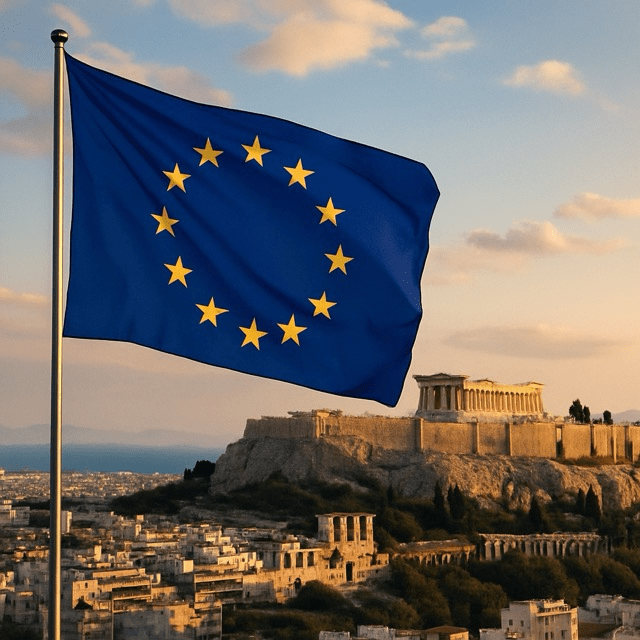
A decade ago, Greece teetered on the edge of economic oblivion, its sovereign debt spiraling out of control and sparking fears of a disorderly exit from the Eurozone. Fast forward to the present, and Greece has delivered a stunning comeback, exhibiting fiscal discipline and growth rates that have outstripped several wealthier European counterparts.
The turning point came in 2015, when Athens negotiated a third bailout package worth €86 billion with the European Stability Mechanism, the European Commission and the International Monetary Fund. In exchange for financial relief, Greece imposed deep austerity measures: slashing public spending, hiking taxes, and reforming its labor market and pension system.
Critics decried these measures as draconian, warning of social unrest and a lost generation of workers. Unemployment soared above 27%, and many young Greeks emigrated in search of opportunity. Yet, by 2017, key macroeconomic indicators began to improve. Budget deficits narrowed, primary surpluses were achieved, and credit ratings—once junk status—showed tentative upgrades.
Central to the rebound was structural reform of the public administration. The government digitized tax collection, streamlined bureaucracy, and introduced merit-based hiring in civil service. Pension reforms shifted contributions and retirement ages, stabilizing long-term liabilities. Meanwhile, labor market flexibilization spurred job creation, particularly in the tourism and shipping sectors.
Tourism has played a starring role. Attracting record arrivals in 2023, Greece’s beaches, heritage sites, and islands generated valuable foreign exchange, fueling private sector expansion. The shipping industry, historically a cornerstone of the economy, also enjoyed rising freight rates, contributing to balance-of-payments surpluses.
Fiscal prudence went hand in hand with targeted investments. European Union cohesion funds financed infrastructure upgrades: modern highways, rail links, and airport expansions. The privatization of ports and energy utilities, while controversial, injected liquidity into state coffers and encouraged foreign direct investment.
As a result, Greece posted GDP growth of 2.6% in 2024—surpassing Germany’s 1.8% and France’s 1.5%. Debt-to-GDP ratios, once north of 180%, have declined to below 160%, on track to approach the Eurozone average by 2026. The government’s 2025 budget projects a modest surplus, underscoring its commitment to sustainable finances.
Despite the progress, challenges remain. Non-performing loans still burden local banks, and income inequality persists. Moreover, geopolitical tensions in the Eastern Mediterranean and vulnerability to energy price shocks pose external risks. Athens has accordingly diversified its energy mix, investing in renewables and liquefied natural gas import terminals.
Public sentiment has shifted from defeatism to cautious optimism. A survey by the Hellenic Statistical Authority found that consumer confidence has climbed to its highest level since 2010. Young professionals, once adrift abroad, are increasingly returning, drawn by startups and technology hubs centered in Athens and Thessaloniki.
Greece’s renaissance offers a blueprint for crisis-stricken economies: combine structural reforms with prudent budgeting, leveraged by strategic investment. With the euro solidifying its role and global markets reopening, Athens stands as proof that fiscal rectitude and resilience can indeed power a phoenix-like rise from the ashes of financial collapse.



 The Tower Post