Delays, readiness shortfalls, infrastructure gaps and staffing shortages hamstring Britain’s stealth fighter fleet
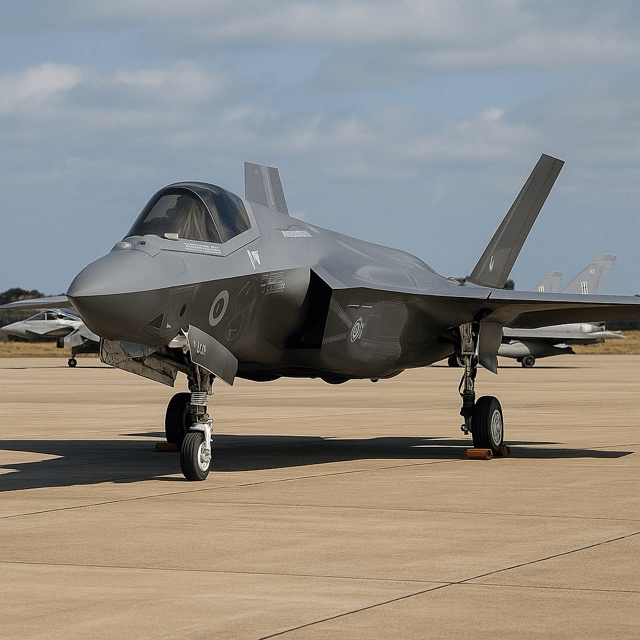
In a sobering assessment released in June 2025, the UK’s public spending watchdog, the National Audit Office (NAO), delivered a stark verdict on the Royal Air Force’s F-35 Lightning II programme. The report warns that “delays, lower-than-expected availability, infrastructure gaps and personnel shortages are undermining the armed forces’ warfighting capability.” This critique underscores the challenges facing Britain’s most advanced combat jet fleet at a time of mounting global tensions.
The F-35, a fifth-generation stealth fighter jointly developed by the United States and allied partners, was heralded as a game‑changer for the UK’s defence posture. However, the NAO report reveals that only a fraction of the planned 48 aircraft are currently mission-ready. “Availability rates have consistently fallen short of targets,” the report states, with aircraft spending more time undergoing maintenance than flying operational sorties.
Delays in infrastructure upgrades have exacerbated the shortfalls. Essential facilities at RAF Marham, the main operating base for the Lightning fleet, have lagged behind schedule. Hangars, simulator suites, and specialized maintenance bays designed to support the F-35’s stealth coatings and sophisticated avionics remain incomplete or under-equipped, hampering both training and upkeep.
Personnel shortages pose a further constraint. The NAO found that the Ministry of Defence (MoD) has struggled to recruit and retain the skilled engineers, avionics technicians and support staff required to sustain the F-35 enterprise. High attrition rates and a competitive civilian job market have left critical posts vacant, leading to backlogs in routine and unscheduled maintenance.
Financial overruns have accompanied these operational issues. Costs for establishing the UK’s F-35 infrastructure are now running at 15% above original estimates. With the MoD budget under tight pressure, officials face tough choices between funding the Lightning force and other defence priorities, such as naval shipbuilding and army modernization.
RAF pilots, meanwhile, have expressed frustration at the limited flying hours. According to one anonymous pilot interviewed for this report, “We’re supposed to be at the cutting edge of air combat, but short notice groundings and maintenance drills mean we’re rarely in the cockpit.” Reduced flight time also impacts pilot proficiency and morale, the report adds.
In response to the NAO’s findings, the Ministry of Defence has pledged a series of corrective actions. A MoD spokesperson told reporters: “We accept the report’s recommendations and are working to boost availability and accelerate infrastructure completion. Recruitment campaigns are underway to fill key roles, and we are exploring partnerships with industry to streamline maintenance processes.”
Defense analysts caution that while these measures are steps in the right direction, true recovery will require sustained political and financial commitment. “F-35 is a national strategic asset,” said defence expert Professor Jane Thompson of King’s College London. “It cannot be treated as one programme among many; it demands priority treatment if it is to deliver on its promise.”
With geopolitical flashpoints from Eastern Europe to the Indo-Pacific on the rise, Britain’s ability to deploy a fully capable stealth fighter fleet carries significant weight. The NAO’s report serves as a critical wake-up call: unless flaws are rapidly addressed, the UK risks fielding a high-cost aircraft that falls short of its deterrent and combat potential.
The coming months will test the MoD’s resolve and resourcefulness. Success will hinge on delivering on infrastructure upgrades, restoring aircraft availability, and fortifying the skilled workforce needed to maintain the Lightning’s edge. For now, the shadows cast by the NAO’s warnings loom large over Britain’s flagship fighter programme.




 The Tower Post