A New Era in Digital Rights: Denmark’s Bid to Set a Global Standard
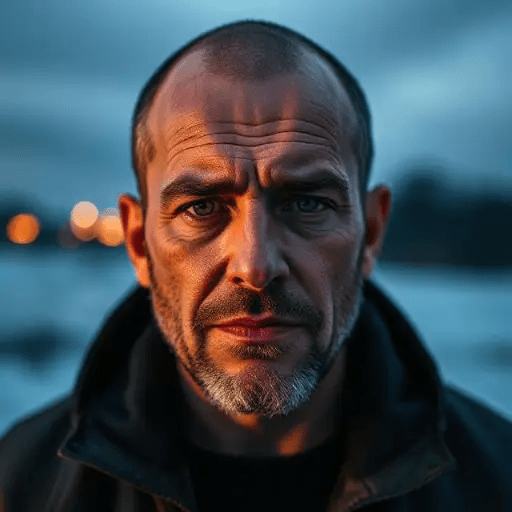
Denmark is poised to make a significant leap in the fight against deepfake technology, proposing an amendment to its copyright laws that would allow individuals to own their own likeness. This innovative approach, backed by a broad consensus in the Danish Parliament, aims to empower citizens to demand the removal of unauthorized digital reproductions of their appearance and voice from online platforms.
The proposed law, which is currently undergoing public review, would legally define unauthorized digital representations, specifically targeting “very realistic digital representations of a person, including their appearance and voice.” This would provide a direct legal basis for removal requests and potential financial compensation for victims. The legislative proposal includes exceptions for parody and satire to protect freedom of speech.
The growing threat of deepfakes is a pressing global concern, with the technology becoming increasingly sophisticated and harder to distinguish from reality. Deepfakes pose significant risks, including harassment, coercion, and even falsely implicating individuals in crimes. Current legal frameworks, such as the United States’ Digital Millennium Copyright Act (DMCA), typically protect creative works like photos or recordings, but not a person’s inherent identity.
The need for stronger protections against deepfakes was highlighted by a recent controversy involving Scarlett Johansson and OpenAI. The actress declined an offer from OpenAI’s CEO to license her voice, which was still used in the company’s new voice system, “Sky.” Johansson threatened legal action, leading to OpenAI halting the voice.
Denmark’s proposal is part of a broader effort to address the issue of deepfakes. The country’s Culture Minister, Jakob Engel-Schmidt, has expressed strong concerns about the misuse of deepfake technology, stating that “human beings can be run through the digital copy machine and be misused for all sorts of purposes, and I’m not willing to accept that.”
Unlike current efforts that largely penalize harmful deepfake uses after they occur, Denmark proposes granting individuals copyright over their digital likeness to prevent misuse from the outset. This approach could set a new standard for deepfake regulation across Europe, and potentially influence future legislation worldwide.
Metaphysic, a company exploring alternative solutions, is working on a system that allows individuals to create an AI-generated avatar of themselves and copyright it, which would fall under existing copyright protections. However, Denmark’s proposal is a more straightforward solution to a pressing global challenge.
As the legislative proposal moves forward, Denmark is set to champion a new approach to deepfake regulation during its upcoming EU presidency. The country’s efforts could have significant implications for the global fight against deepfakes, and its success could pave the way for a new era in digital rights.




 The Tower Post