A Crucial Test of Board Accountability Unfolds in Court
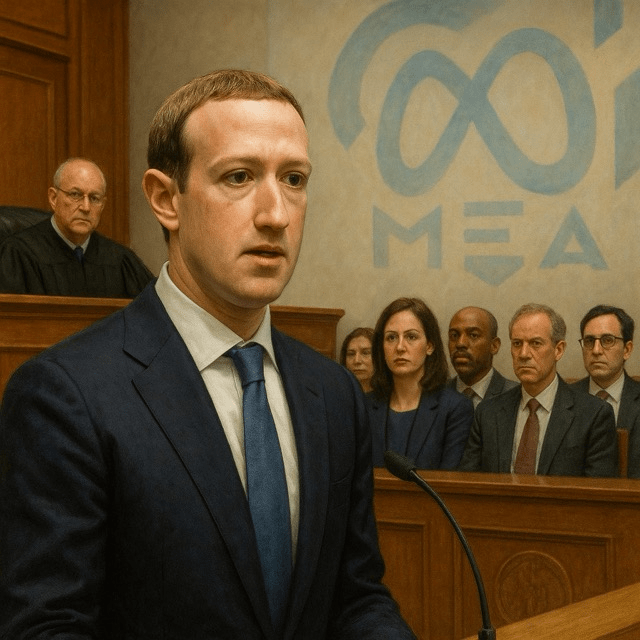
This week, Meta Platforms CEO Mark Zuckerberg is set to take the stand in a high-stakes Delaware courtroom, marking a pivotal moment in corporate governance discourse. The trial, filed by a group of shareholders, alleges that Meta’s board of directors failed in their fiduciary duties by allowing a series of scandals—ranging from data privacy breaches to internal power struggles—to go unchecked, resulting in significant financial and reputational damage. As the social media giant prepares to defend its leadership, many in the business world are closely watching to see whether the court will hold individual board members accountable for corporate missteps.
The shareholder plaintiffs contend that Meta’s board breached its duty of oversight, pointing to documented warnings about Cambridge Analytica’s misuse of user data that went unheeded. They argue that such lapses were not isolated incidents but symptomatic of a wider culture of negligence. The legal theory at the heart of the case hinges on Delaware’s enhanced scrutiny standard, which demands that directors demonstrate good faith in overseeing management. Failure to do so could open the door to personal liability, a serious concern for high-profile executives serving on corporate boards.
Zuckerberg’s testimony is expected to delve into the board’s internal deliberations and decision-making processes during the turmoil. Having founded the company as a college student in 2004, Zuckerberg has grown into one of the most influential figures in technology. His dual role as majority vote holder and executive chairman grants him extraordinary power but also places him squarely in the crosshairs of governance critics. Legal experts suggest his testimony will be closely examined for any admissions of knowledge or intent that could bolster the plaintiffs’ claims.
Meta’s defense argues that the board actively engaged with management and took reasonable steps to address emerging risks. In filings, the company cited board committee reviews, external audits, and policy overhauls implemented in the wake of each controversy. Meta also points to the rapid enhancements to its data protection frameworks and the appointment of new compliance officers as evidence of its commitment to reform. The company will seek to convince the judge that these actions satisfy the requirements of Delaware law and shield directors from liability.
The implications of the trial extend far beyond Meta. Delaware is home to more than a million business entities and is widely regarded as the corporate capital of the United States, thanks to its well-developed body of corporate law. A ruling against Meta’s board could set a precedent, prompting boards across industries to reevaluate their oversight mechanisms and risk management protocols. Conversely, a decision favoring Meta could reaffirm the protections afforded to directors and temper calls for broader accountability.
Observers note that the case also poses a test for judges balancing shareholder interests against the need to encourage qualified individuals to serve on boards. Directors often face complex, fast-moving challenges, and imposing undue liability risks discouraging experienced leaders from stepping into governance roles. As such, the court’s decision will have ripple effects in boardrooms worldwide, influencing how directors allocate resources to compliance, monitoring, and strategic oversight.
In the coming days, media outlets and legal analysts will dissect every moment of Zuckerberg’s testimony, searching for soundbites that encapsulate the board’s stance on corporate responsibility. For Meta employees, investors, and competitors alike, the outcome of this trial may shape corporate governance standards for years to come. Whether the court ultimately deems the board’s actions insufficient or laudable, one thing is certain: Delaware’s legal spotlight has never shone brighter on Silicon Valley’s most powerful figures.




 The Tower Post