In a show of solidarity with Moscow, Kim Jong Un pledges full backing for Russia’s military efforts in Ukraine amid deepening bilateral ties
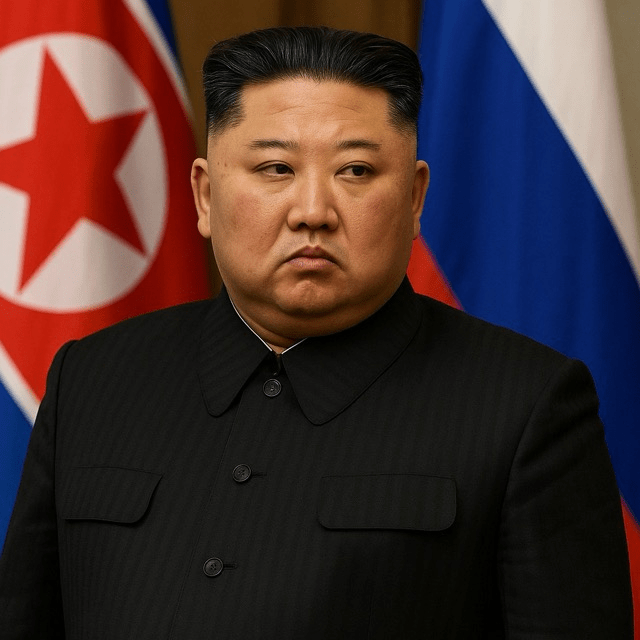
In a display of burgeoning strategic camaraderie, North Korean leader Kim Jong Un has publicly declared that his country will “unconditionally support” Russia’s ongoing war in Ukraine. The pledge was made during a meeting with Russian Foreign Minister Sergei Lavrov in the port city of Wonsan, marking a significant moment in Pyongyang-Moscow relations. North Korea’s state news agency KCNA reported that Kim expressed his readiness to back all measures taken by the Russian leadership to achieve a “fundamental resolution” of the Ukrainian crisis .
The summit, which took place aboard Kim’s private yacht off the coast of Wonsan, included discussions on military cooperation, economic collaboration, and diplomatic alignment. Lavrov, on his third trip to North Korea since 2023, emphasized Russia’s respect for Pyongyang’s sovereignty and nuclear deterrent, framing the alliance as a bulwark against what both leaders described as Western “aggression” .
Underpinning these statements is the 2024 Treaty on Comprehensive Strategic Partnership, signed in Pyongyang, which commits both nations to mutual support in political, economic, and security affairs. Article 3 of the treaty explicitly calls for “immediate bilateral consultations” in the face of external threats, signaling a formal mechanism for military coordination .
Analysts note that North Korea has already provided material assistance to Moscow. According to South Korean intelligence, Pyongyang dispatched approximately 13,000 troops and supplied over 10 million rounds of ammunition to Russian units, especially in the recaptured Kursk region. Additional deployments, including military engineers and construction workers, are reported to be imminent as both governments seek to bolster logistical and reconstruction efforts along front lines.
The strategic calculus for Pyongyang is multifaceted. By backing Russia’s invasion, North Korea secures vital economic concessions, including the lifting of certain sanctions and increased energy supplies, while also gaining access to Russian military technology and scientific expertise. In return, Moscow leverages North Korea’s manpower to offset its own battlefield attrition, underscoring the symbiotic nature of this wartime partnership.
Yet, critics warn that such overt support carries significant diplomatic and security risks for North Korea. The United States and its allies have already imposed additional sanctions targeting Russia–North Korea trade channels, and formalizing military cooperation could invite further punitive measures. Moreover, Pyongyang’s alignment with Moscow on Ukraine may strain relations with China, which has called for a diplomatic resolution to the conflict and is wary of exacerbating regional tensions.
Kim’s public commitment also underscores a broader trend of excluder alliances, where states under Western sanctions band together to counterbalance U.S. influence. The rhetoric of a shared “anti-imperialist struggle” resonates domestically, reinforcing the North Korean regime’s narrative of external threats and justifying internal mobilization and militarization.
International observers reacted with concern. The United Nations Secretary-General was reported to be “deeply troubled” by the announcement, reiterating calls for respect of Ukraine’s sovereignty and territorial integrity. Meanwhile, Ukrainian President Volodymyr Zelensky condemned the pledge as evidence of an “epicenter of aggression” that further complicates prospects for peace .
The timing of Kim’s declaration is notable. It coincides with renewed Western efforts to negotiate ceasefire terms in Ukraine and comes just days after Russia’s annexation claims over occupied territories. By reaffirming its support, North Korea signals that Washington’s diplomatic overtures alone may not thaw the hardened front between Moscow and its non-Western partners.
As Kim Jong Un and Vladimir Putin continue to deepen their wartime alliance from afar, the ramifications for global security are profound. North Korea’s hands-on involvement in Russia’s military campaign marks a new chapter in post–Cold War geopolitics, where survival strategies of sanctioned states converge on shared battlefields. The effectiveness of Kim’s backing—whether in munitions, manpower, or diplomatic clout—will shape the conflict’s trajectory and inform the calculus of Western policymakers tasked with restoring stability in Europe.
For now, the pledge of “unconditional support” stands as both a statement of defiance and a testament to the evolving architecture of adversarial alliances. As the cameras recede and the world digests the implications, one question looms: can Russia’s war strategy achieve its objectives with North Korea as a committed partner, or will this unprecedented entente unlock unforeseen complexities on the front lines?
 The Tower Post