Commission Proposal Aims to Boost Local Fruit, Vegetables and Milk, Strengthening Domestic Agriculture
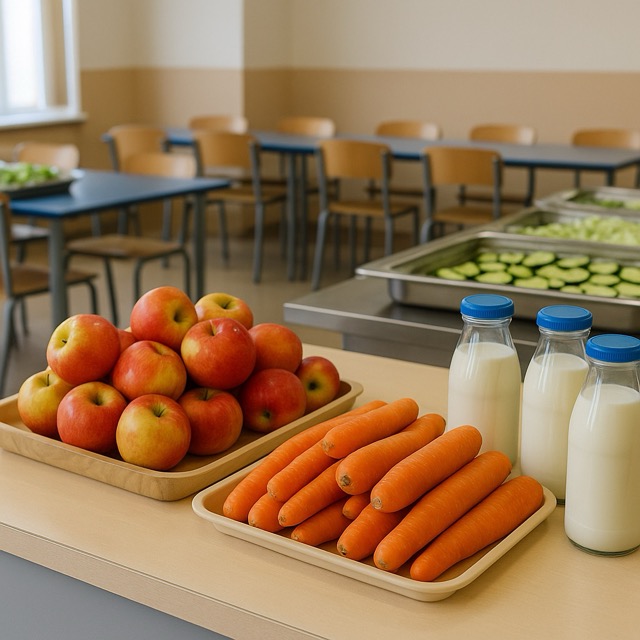
In a move reflecting growing concerns over food security and the sustainability of agricultural supply chains, the European Commission is set to propose that fruit, vegetables and milk served in schools across the bloc should be produced within the member state region. The initiative, part of a broader strategy to bolster intra-EU trade and reduce dependence on imported goods, seeks to promote local farmers, enhance nutritional standards and cut the carbon footprint associated with long-distance transport.
Commission President Ursula von der Leyen announced the forthcoming plan during her keynote speech at the European Parliament in Strasbourg. “By sourcing school food closer to home,” she argued, “we support our farmers, ensure fresher, more nutritious products for our children, and advance our climate goals by minimizing food miles.” The proposal, expected to be tabled in the coming weeks, will recommend that at least 70% of the fresh produce and dairy served in publicly funded school meal programmes originate from suppliers within the same member state or designated neighbouring regions.
Currently, EU schools collectively serve over 25 million meals daily, with significant variations in procurement rules among member states. While countries like France and Italy have long traditions of regional sourcing, others rely heavily on imports from outside the EU or distant parts of the bloc. The new guidelines aim to harmonize standards, encouraging nations with less-developed local procurement systems to adapt their policies and offer consistent access to high-quality, regionally produced food across the Union.
Agricultural Commissioner Janusz Wojciechowski emphasized the economic benefits of the plan. “Local sourcing creates a virtuous cycle,” he explained. “It injects funds directly into rural economies, boosts farm incomes, and fosters innovation in crop diversity and production methods. Schools can be anchor clients for farmers, providing stable demand and enabling producers to plan ahead.” He also noted that increased consumption of fresh, local produce could help address public health concerns, such as rising rates of childhood obesity and diet-related illnesses.
The proposal is anchored in the EU’s broader Farm to Fork Strategy, which aims to make food systems fair, healthy and environmentally friendly by 2030. Under the strategy, the Commission has already set targets to reduce pesticide use by 50%, expand organic farming to 25% of agricultural land, and cut fertiliser use by 20%. Adding regional procurement requirements for school meals extends these goals into public procurement, leveraging government purchasing power to shape sustainable agricultural markets.
Despite the enthusiastic endorsements, the initiative faces hurdles. Some member states worry about potential cost increases for school meal programmes. Government-run canteens often operate under tight budgets, and domestically produced organic fruit and vegetables can carry premium price tags. To address these concerns, the Commission is exploring financial support mechanisms, including co-funding arrangements and incentives for farmers who join cooperatives to achieve economies of scale.
Small-scale farmers have welcomed the proposal, seeing school contracts as vital lifelines. “For us, selling directly to local schools means predictable orders and fair prices,” said Marianne Dubois, a dairy producer from Normandy. “It helps us invest in better sanitary practices and diversify our products.” Similarly, vegetable grower Pedro Santos from Alentejo, Portugal, described early discussions with his regional authorities about adapting greenhouses and storage facilities to meet school procurement standards.
However, larger agricultural associations and food-service companies have called for flexibility. They warn that rigid sourcing quotas could disrupt existing contracts and reduce product variety in schools, especially in regions with limited production of certain fruits or dairy. To balance these interests, the Commission’s draft text includes provisions for derogations—allowing up to 30% of supplies to be sourced externally in cases of limited regional availability or crop failure due to extreme weather events.
Nutrition experts have lauded the plan’s potential to improve dietary habits. “Access to fresh, seasonal produce at school can shape lifelong preferences,” noted Dr. Elena Rossi of the European Public Health Alliance. “It’s a hands-on lesson in sustainability and wellbeing.” In addition to the procurement rules, the Commission is urging member states to integrate educational components into school curricula, such as farm visits, cooking workshops, and classroom discussions on local food chains.
The environmental impact is another cornerstone of the policy. By reducing transport distances, the plan is projected to cut greenhouse gas emissions related to school meals by up to 40% in certain regions. This aligns with the EU’s commitment under the Paris Agreement and its own Green Deal to achieve climate neutrality by 2050. The Commission is also exploring the use of digital traceability tools and certification labels to verify the regional origin of food items and ensure transparency throughout the supply chain.
As the proposal moves to the legislative phase, the European Parliament’s agriculture committee will hold hearings with stakeholders ranging from farmers’ unions to school administrators. Member state representatives will then negotiate the final text with the Commission and the Council. If adopted, the new regulations could take effect as early as the 2026–27 school year, giving countries time to adjust procurement frameworks and infrastructure.
The plan represents a significant shift in how the EU views public procurement—transforming it into a lever for climate action, economic resilience and public health. It highlights the delicate balance between protecting domestic industries and ensuring affordability and choice for consumers. Ultimately, the success of the initiative will depend on the Commission’s ability to tailor support measures that accommodate diverse regional circumstances, while keeping the overarching goal of a sustainable, homegrown food system firmly in sight.
With school meals feeding the next generation of Europeans, the stakes are high. A successful rollout could become a blueprint for other public institutions—hospitals, prisons and government canteens—and inspire similar policies globally. As discussions intensify in Brussels, all eyes are on whether this ambitious effort can translate lofty strategic objectives into tangible benefits for farmers, communities and children across the continent.


 The Tower Post