First-Ever Municipal Official Named as Financial Police Shift into High-Stakes Urban Planning Inquiry
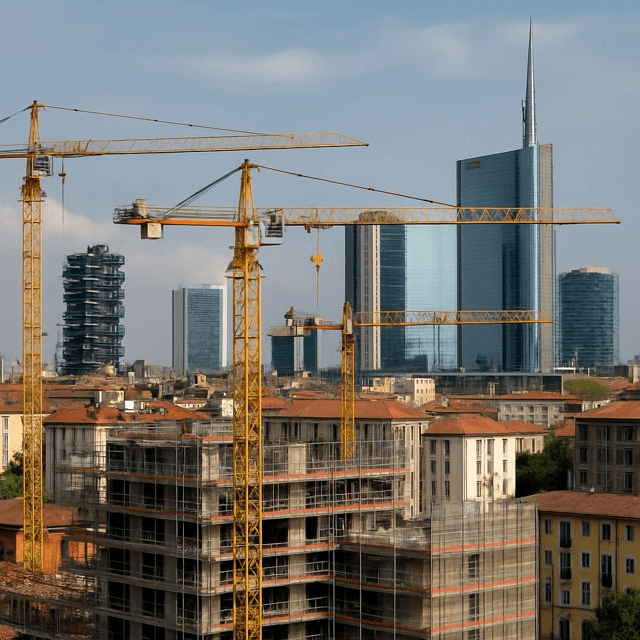
Milan – The Milan Prosecutor’s Office has opened a dramatic new chapter in its ongoing investigations into the city’s urban planning, accusing a group of developers and public officials of orchestrating “profiles of uncontrolled building expansion” that have taken on “remarkably significant dimensions.” In a statement issued July 20, Chief Prosecutor Marcello Viola described the alleged scheme as a network of illicit permits and unethical cooperation between private builders and municipal authorities.
For the first time, the probe has ensnared a member of Mayor Beppe Sala’s governing team. The Financial Police’s economic and financial unit, acting on orders from investigating judge Mattia Fiorentini and following months of surveillance and document seizures, delivered preventive interrogation notices to six individuals. Among them are two real estate magnates, three mid-level municipal planning officers, and an unnamed city council representative who has served on urban development committees.
“We have uncovered evidence suggesting systematic circumvention of zoning laws, with multiple building sites granted permits despite clear violations of height restrictions and green-space quotas,” Prosecutor Viola stated. He added that the scale of the illicit developments—spanning several million euros in construction work—underscores the urgent need for judicial oversight in Milan’s fast-evolving skyline.
The Guardia di Finanza, Italy’s financial police, spearheaded the operation after analyzing public records and tracking unusual financial flows between shell companies and municipal accounts. Investigators allege that under-the-table agreements allowed certain developers to bypass environmental impact assessments, erect additional floors, or disregard heritage preservation rules. In some cases, they say, unauthorized work continued even after official inspections ordered a halt.
One of the developers, whose name was redacted in court filings, is believed to control several high-profile projects around Porta Nuova and the southern suburbs. Court documents indicate that these projects were fast-tracked through a combination of inflated environmental reports and classified urban planning memos that were never disclosed to the public.
The municipal official implicated holds a key advisory role on the city’s urban regeneration board, responsible for approving major redevelopment proposals. Although the individual’s exact function has not been publicly revealed, sources close to the investigation suggest that this marks the first time a sitting member of Mayor Sala’s administration has faced preventive interrogation in a City Hall-related probe.
In response, the Municipality of Milan issued a brief statement emphasizing the presumption of innocence. “We respect the judicial process and will fully cooperate with investigators,” the statement read. Mayor Sala’s office confirmed that the official in question has been suspended pending the outcome of the inquiry and that an internal audit of all recent building approvals is already underway.
Opposition politicians seized on the news, accusing the mayor’s administration of lax oversight and potential complicity. “This scandal exposes a culture of impunity in Milan’s planning departments,” charged Luca Romano of the regional center-right coalition. He demanded a full parliamentary investigation and greater transparency in municipal contracts.
Urban planning experts warn that the case has broader implications for Italy’s financial stability and real estate market. “Milan’s rise as a global city has been driven by visionary projects, but this investigation highlights the dark underbelly of rapid expansion,” said Dr. Elena Vitale, a professor of urban studies at Bocconi University. “Unchecked building can lead to infrastructure strain, loss of public space, and inflated property values that exclude middle-class residents.”
Legal analysts note that preventive interrogation in Italy—a measure allowing prosecutors to question suspects before formal charges—often signals that authorities intend to seek detention or strict bail conditions. If prosecutors request arrests, they must demonstrate serious grounds and risk of evidence tampering or flight. Judge Fiorentini’s next hearing, scheduled for July 27, will determine whether any of the six individuals will be remanded into custody.
Meanwhile, the Guardia di Finanza continues to comb through financial transactions, real estate deeds, and corporate records. Investigators have hinted at further developments, suggesting that additional officials and private-sector players could be implicated in the coming weeks. The unfolding story has cast a pall over Milan’s robust construction sector and raised fresh questions about the balance between economic development and regulatory compliance.
As the city awaits clarity, Mayor Sala has called for a public summit on urban governance, inviting stakeholders to discuss reforms aimed at strengthening oversight and restoring trust. “Milan cannot afford to compromise its integrity or its heritage,” Sala declared in a televised address. “We must redouble our efforts to ensure that growth is sustainable, transparent, and benefits all citizens.”
Whether this latest inquiry will lead to concrete legal outcomes or merely symbolic resignations remains uncertain. What is clear, however, is that Milan’s skyline—and its political landscape—are under intense scrutiny. The case serves as a stark reminder that in a city defined by architectural ambition, the rule of law must keep pace with the cranes that shape its future.



 The Tower Post