Spending Watchdog Demands Clarity After Data Leak Reveals Estimates from £850mn to Over £7bn
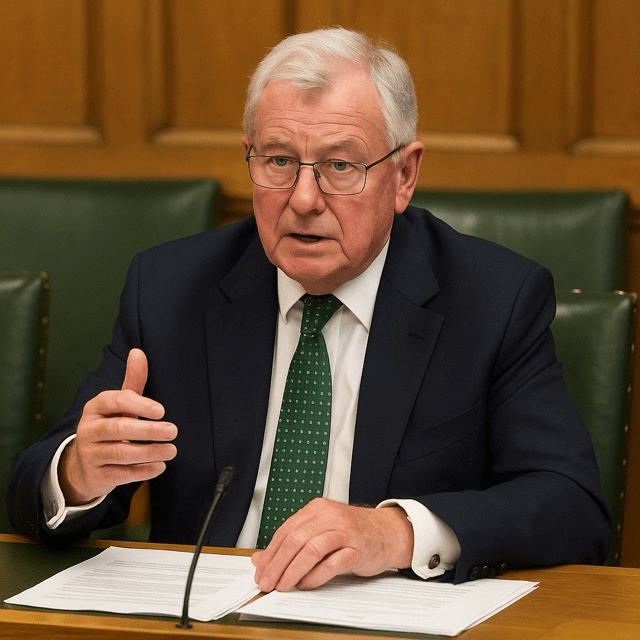
London – There is growing alarm in Westminster over the wildly divergent estimates of the UK government’s clandestine Afghan resettlement scheme, which has shelterd thousands of Afghans since the Taliban takeover. In a stark warning to ministers, Sir Geoffrey Clifton-Brown, chair of the House of Commons Public Accounts Committee, said yesterday that the government must urgently clarify the true costs after a recent data leak suggested figures ranging from £850 million to more than £7 billion.
The secretive programme, established in 2021, was designed to relocate interpreters, civil society workers and their families who had supported British forces during the Afghan conflict. For security reasons, details of the scheme’s budget have never been published, with officials citing operational sensitivities. However, an unauthorised disclosure of internal spreadsheets late last month exposed a series of provisional cost projections, triggering parliamentary outrage.
“It is simply unacceptable that taxpayers remain in the dark about how public money is being spent,” Sir Geoffrey told reporters. “We have seen estimates as low as £850 million, and others that exceed £7 billion. That level of confusion undermines public trust and makes it impossible for this committee to hold ministers to account.”
According to the leaked documents, the lower-end estimate covers the direct costs of transport, accommodation and basic living allowances for those relocated under the scheme’s core “bespoke” category. In contrast, the higher figure appears to factor in longer-term integration expenses, including English-language training, housing support, healthcare and education over a multi-year timeframe.
Government spokespeople have acknowledged that the provisional figures were preliminary and part of an evolving internal review. “These are working estimates subject to further verification,” said a Home Office statement. “We are committed to providing a comprehensive breakdown of costs to Parliament as soon as possible.” Critics, however, argue that without transparent reporting, there is a risk of budget overruns and hidden liabilities.
Senior civil servants briefed on the programme say that resettlement costs have ballooned as the number of beneficiaries surged beyond initial forecasts. While the original plan envisaged relocating some 5,000 Afghans, more than 12,000 have since reached the UK, each requiring varying degrees of support. “Every individual has unique needs,” explained one official. “Some need intensive trauma counselling, others require specialist medical care. These services add up.”
MPs from all parties have pressured the government to publish a detailed cost analysis and to explain the rationale behind the scheme’s secrecy. In a heated debate last week, Labour’s shadow home secretary, Sarah Johnson, accused ministers of “operating in the shadows” and called for an immediate parliamentary statement. “We owe these people a debt of gratitude,” she said. “But we also owe taxpayers a clear account of how funds are allocated.”
Experts in public finance note that while integration programmes typically span several years, proper forecasting and contingency planning are essential. Dr. Michael Taylor, a lecturer in public policy at King’s College London, warned that ad hoc cost management could jeopardize other social service budgets. “Ambitious humanitarian programmes must be carefully funded,” he said. “Unexpected demand spikes can lead to cuts elsewhere if not managed transparently.”
The scheme’s defenders argue that the unique security considerations justified initial opacity. Officials contend that revealing cost details too early could have compromised safe routes and undermined diplomatic negotiations with third countries involved in transit. “Operational security was paramount,” a Downing Street source told this newspaper. “But now that the core relocation has been completed, it is right to open the books.”
Looking ahead, the Public Accounts Committee has summoned representatives of the Home Office, the Foreign, Commonwealth & Development Office, and the Ministry of Defence to a hearing scheduled for early September. Sir Geoffrey has warned that failure to produce coherent figures could result in formal recommendations for tighter parliamentary oversight and possibly financial penalties for maladministration.
The data leak has also reignited broader debates about refugee resettlement policy in the UK, particularly as the government seeks to navigate competing political pressures. With the next general election looming, ministers face the twin challenge of upholding humanitarian commitments while reassuring a public concerned about fiscal responsibility.
For the thousands of Afghans who have begun new lives in Britain, clarity on the programme’s funding is more than a matter of accounting—it speaks to how firmly they remain at the centre of policy considerations. As one former interpreter, now settled in Birmingham, put it: “We are grateful for the help, but we also want to see that the government values us enough to be transparent about the support we’re given.”
The coming weeks will test whether the UK can reconcile operational security with democratic accountability. For now, however, the starkly different cost estimates laid bare by the leak stand as a potent reminder that even the most noble of public initiatives can stumble without transparent governance.




 The Tower Post