A Brief History and Analysis of the Art Form’s Current State
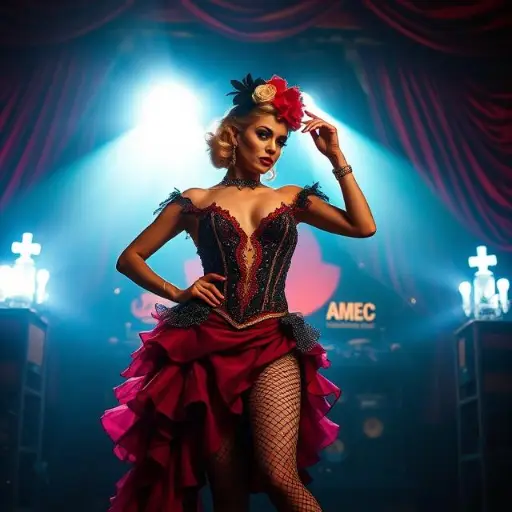
The world of burlesque is experiencing a resurgence, with big names like Dita Von Teese and a new musical adaptation of the 2010 film starring Christina Aguilera and Cher hitting the stages. However, beneath the glamour and seductive charm, lies a complex and contentious debate over whether burlesque is truly empowering or degrading to women.
The art form’s origins date back to Victorian Britain, where it emerged from music hall and vaudeville as a form of satire and social commentary. According to Kay Siebler, an assistant professor at the University of Nebraska Omaha, burlesque was “foundationally revolutionary feminist – a reclaiming of female sexuality.” Siebler argues that burlesque was created by women, for women, and was a way for women to take up public space and challenge patriarchal norms. The root of the word “burlesque” is Italian, meaning satire, and the art form was originally used to critique societal norms and challenge the status quo.
In the 19th century, American burlesque developed into its own thing, with a focus on striptease and a more heteronormative approach. This shift was influenced by the rise of vaudeville and the growing popularity of music halls. Burlesque became a staple of American entertainment, with performers like Lillian Russell and Fanny D’Autremont becoming household names.
In the 1990s, neo-burlesque was born in the US, and by the mid-2000s, it had become a global phenomenon, dominating cabaret clubs and stages with its vintage glamour and seductive charm. Dita Von Teese, a pioneer of the art form, credits neo-burlesque with allowing women to reclaim their sensuality and indulge in glamour, but she also acknowledges that it was initially under the hetero male gaze. Von Teese’s rise to fame was largely due to her collaborations with men, including her marriage to the musician Billy Gibbons.
However, with the current revival, some critics argue that the art form has become more regressive, perpetuating a narrow and heteronormative beauty standard. The new musical adaptation, Burlesque the Musical, has been criticized for its lack of diversity and its uncomplicated attitude towards sex and relationships. Similarly, Diamonds and Dust, a show featuring Von Teese, has been described as “perplexingly retrograde” for its narrow range of beauty standards and its lack of subversive content.
For some, the current state of burlesque is a disappointment, as it fails to live up to its radical roots and instead perpetuates a patriarchal script that reduces women’s power to their sexual appeal. Siebler argues that “the original burlesque was a social commentary about what it meant to be a woman, and that is absolutely absent from this very repressive, passive and disempowered version of female sexuality.” She believes that the current revival is a result of a broader societal trend towards nostalgia and a desire for escapism.
However, not everyone shares this view. Jacki Wilson, an associate professor of performance and gender at the University of Leeds, suggests that burlesque has continued to evolve and become more inclusive, with a broader range of performers and themes. She sees burlesque as a safe space for women to explore their bodies and challenge societal norms, and argues that its feminist value lies in its ability to subvert traditional notions of sexiness and femininity.
As the burlesque revival continues to unfold, it remains to be seen whether the art form can reclaim its radical roots and truly empower women, or whether it will continue to perpetuate a narrow and heteronormative beauty standard. One thing is certain, however, the debate surrounding burlesque is far from over.




 The Tower Post