More than a decade after the debt crisis triggered mass emigration, Athens appeals to expatriates to return home and help fuel economic recovery.
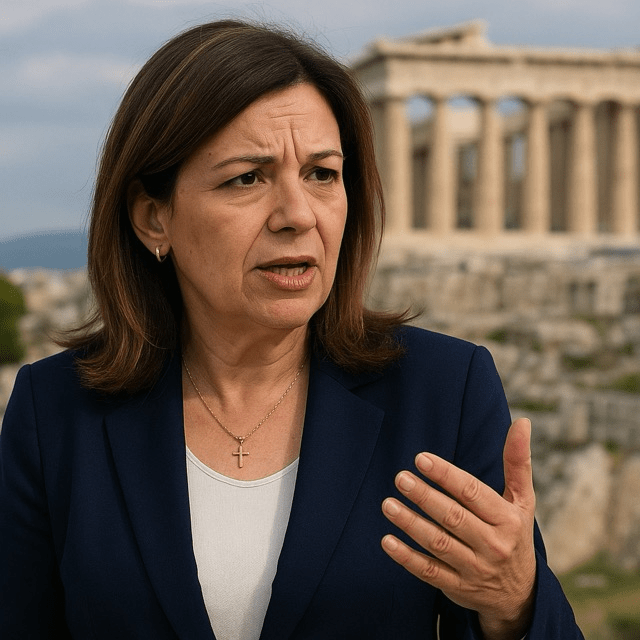
ATHENS — In a bold move to address Greece’s persistent labor shortages, Labour Minister Domna Michailidou has embarked on a tour across Europe to urge Greek expatriates to return home. The campaign aims to reverse the effects of the ‘brain drain’ caused by the country’s decade-long debt crisis, which drove more than 400,000 skilled workers abroad in search of opportunity.
At stops in Berlin, London, and Amsterdam, Michailidou is meeting with Greek professionals who left during the financial turmoil of the 2010s. She is pitching a new vision of Greece — one of stability, growth, and opportunity — and outlining incentives aimed at easing the transition back, including tax breaks, housing support, and streamlined employment services.
“Greece is no longer in crisis. It’s recovering — and we need you,” she said during a town hall meeting in London attended by over 200 Greek nationals. Her message is part emotional appeal, part economic strategy: with the country’s unemployment rate falling below 10% for the first time since 2009, demand for skilled labor has never been higher.
The initiative comes at a time when sectors such as healthcare, construction, and information technology face mounting staff shortages. Greece’s aging population compounds the issue, threatening long-term productivity and pension sustainability.
Some expatriates express interest, citing a longing for home and an improved outlook on Greece’s future. But many remain cautious, skeptical of political stability and wary of lingering bureaucracy. “I want to come back,” said Giannis, a software engineer living in The Hague. “But only if I see real change — not just words.”
In response, the Labour Ministry has launched an online platform where returnees can match with employers, access relocation support, and navigate reintegration services. Government officials hope to attract at least 50,000 Greeks back by 2027.
Whether the plan succeeds remains to be seen. But what’s clear is that Greece, once the poster child of European austerity, is now trying to reclaim not just its economic footing — but its people too.




 The Tower Post