Liberal Democratic Party and Komeito lose majority in shocking election result. Populist far-right parties gain ground as resignation calls intensify.
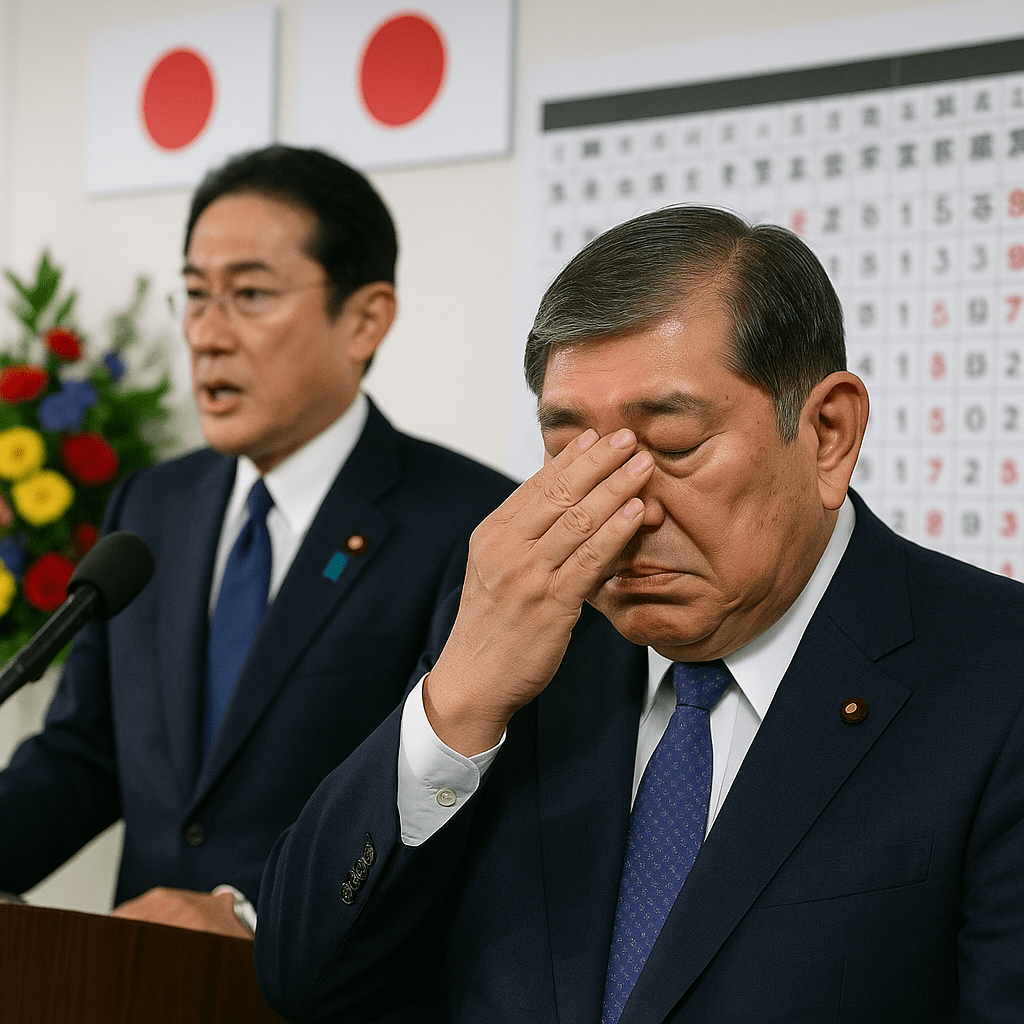
TOKYO — In a stunning political reversal, Japanese Prime Minister Shigeru Ishiba has suffered a major defeat in the country’s upper house elections, marking a potential turning point in Japan’s postwar political order. The ruling Liberal Democratic Party (LDP), in coalition with its long-time partner Komeito, failed to secure a majority in the House of Councillors, sending shockwaves through the Japanese political establishment.
The result is being seen as a rejection of Ishiba’s conservative leadership style, which has been marked by a hawkish foreign policy stance and controversial defense reforms. But perhaps most striking is the dramatic rise of Japan’s far-right populist movement, which capitalized on growing discontent over immigration, economic stagnation, and political elitism.
The newly formed ‘Japan First Movement’, led by firebrand nationalist Tatsuya Morimoto, captured an unexpected 18% of the vote, gaining 28 seats. Its rhetoric — anti-globalist, anti-China, and sharply nationalist — resonated particularly with young male voters and rural constituencies disenchanted with the status quo.
Exit polls indicate a major shift among independents and first-time voters, many of whom viewed the LDP-Komeito alliance as increasingly out of touch. “We needed real change, not more of the same,” said 29-year-old Yuki Nakamura, a first-time voter in Osaka. “Morimoto may be radical, but at least he speaks for us.”
Within hours of the results, calls for Prime Minister Ishiba’s resignation were echoing across the Diet and among political commentators. Senior members of the LDP have reportedly begun internal discussions about a leadership transition, though Ishiba has so far remained defiant, stating he will ‘listen to the voice of the people’ before making any decisions.
Analysts suggest the election may herald the fragmentation of Japan’s long-dominant political center, raising questions about future governance and stability. For now, uncertainty reigns as Japan finds itself at a political crossroads — with new forces rising from the fringes and traditional power structures under siege.




 The Tower Post