LSEG explores round-the-clock operations as global markets evolve, weighing technological demands and regulatory hurdles in major modernization effort.
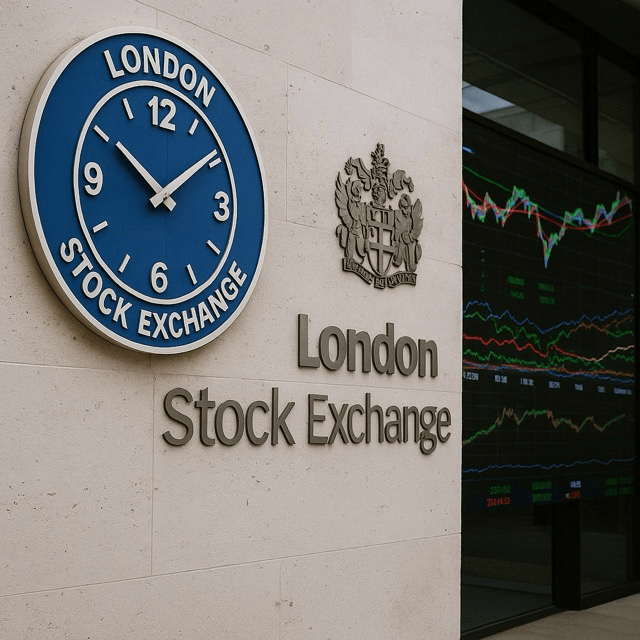
LONDON — The London Stock Exchange Group (LSEG) is exploring the possibility of launching 24-hour trading, a move that could transform one of the world’s oldest financial institutions into a more modern, globally-aligned marketplace. According to people familiar with the matter, the discussions are at an early stage, but the company is actively evaluating the practical implications of such a dramatic shift.
The push toward round-the-clock trading reflects mounting pressure on traditional exchanges to adapt to a financial world where digital assets, decentralized finance, and international investors operate beyond the constraints of national time zones. Exchanges in Asia and the United States have increasingly embraced extended hours, prompting the LSEG to reconsider its own model.
Sources indicate that LSEG is assessing both the technological infrastructure required to support 24-hour operations and the legal frameworks that would need to be updated to comply with regulatory requirements across jurisdictions. The firm is also reportedly consulting with market participants to gauge appetite for such a service.
“This isn’t just about keeping up — it’s about staying relevant,” said a senior financial analyst in the City of London. “Markets don’t sleep anymore. If London wants to remain a financial hub, the LSE must evolve.”
One potential model could include a phased rollout, beginning with select securities or digital assets before expanding to full coverage. Others envision partnerships with global exchanges to share infrastructure and oversight.
However, the initiative also raises questions about staffing, cybersecurity, and fair access. Critics warn that smaller firms could struggle to keep up with the demands of 24-hour trading, potentially skewing the market in favor of large institutions and automated trading systems.
The Financial Conduct Authority (FCA) has not yet commented on the proposal but is expected to play a central role in any regulatory review. Industry stakeholders anticipate that a formal consultation process could begin later this year.
For now, the London Stock Exchange is at a crossroads. Its leadership must decide whether the prestige of tradition can coexist with the demands of a digital, always-on global economy.




 The Tower Post