Amid pressure from Washington, British officials attempt to defuse tensions as Apple challenges Home Office order to unlock encryption. Tribunal to review case.
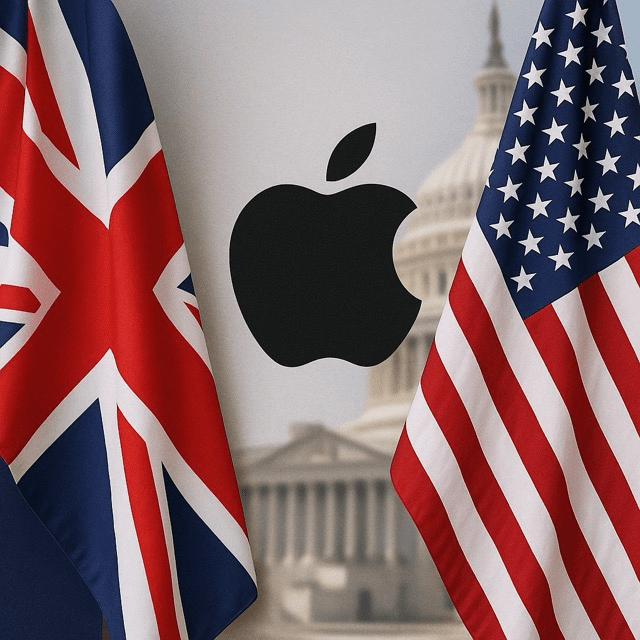
LONDON — The United Kingdom is quietly seeking a diplomatic resolution to a growing dispute with the United States over surveillance powers, after Apple refused to comply with a Home Office order demanding access to encrypted communications. Senior British officials told the Financial Times that the government is now looking for a ‘way around’ the directive amid mounting pressure from the White House and prominent U.S. lawmakers.
The controversial order, issued in January under the UK’s Investigatory Powers Act, instructed Apple to disable security features that prevent authorities from accessing iMessage and FaceTime communications. The tech giant has publicly opposed the demand, citing user privacy and the risk of creating backdoors vulnerable to abuse by hostile actors.
U.S. Senator JD Vance and other officials have weighed in strongly against the move, warning that any attempt to undermine Apple’s encryption standards could have global repercussions. ‘Any weakening of security features threatens not only privacy but also national security,’ said Vance in a letter to British counterparts.
Facing diplomatic backlash and legal hurdles, the UK government has reportedly begun internal consultations to reassess its position. ‘We are working on a way around it now,’ said one Home Office source, who emphasized the desire to avoid further escalation with a key ally.
The case has landed in the Investigatory Powers Tribunal, an independent body tasked with reviewing complaints about the UK’s security services. Apple’s legal team argues that complying with the demand would set a dangerous precedent, potentially forcing other tech firms to follow suit.
Civil liberties groups have joined Apple in opposing the measure, warning that the erosion of encryption could endanger journalists, dissidents, and ordinary citizens alike. Amnesty International called the UK’s position ‘reckless’ and ‘incompatible with democratic values.’
While the British government maintains that national security is at stake, critics question the necessity and proportionality of the demand. The situation remains fluid, but both sides appear to recognize the high stakes involved — not just for UK-US relations, but for the future of digital privacy worldwide.




 The Tower Post