From British potatoes to Indian onions, climate extremes are causing volatile spikes in food prices, new research shows
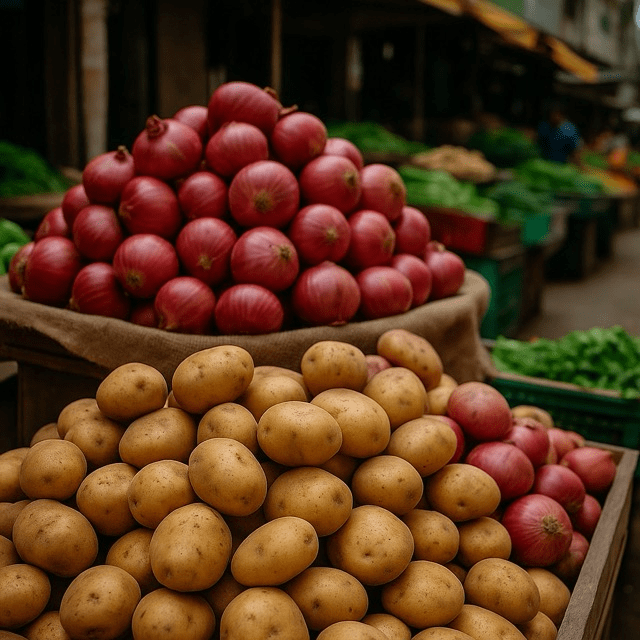
In an increasingly volatile climate, food markets across the world are reeling from the impact of extreme weather events. New research has found that climate change is directly contributing to short-term surges in food prices, from potatoes in the UK to onions in India — highlighting the fragility of global agricultural supply chains in the face of a warming planet.
The findings, based on an analysis of crop yield and price fluctuations over the past decade, reveal that erratic weather — including droughts, floods, heatwaves, and unseasonal frosts — is becoming a critical driver of price instability. While long-term inflation has other roots, sudden weather shocks are now seen as key catalysts of short-term food price volatility.
In Britain, one of the wettest springs on record followed by unexpected summer droughts severely impacted potato yields, reducing supply and pushing wholesale prices to their highest in years. Farmers across Lincolnshire and Norfolk — regions that account for a large share of national potato production — reported harvests down by as much as 30%. “We’ve never seen such a swing in weather patterns,” said one grower. “It’s making it impossible to plan ahead.”
Thousands of miles away in India, soaring temperatures and delayed monsoons have had similar consequences for onions, a staple in the country’s cuisine and diet. Yields plummeted in major producing states like Maharashtra and Karnataka, forcing prices to more than double in just weeks. The surge not only sparked domestic concern but also led to export bans to stabilize local markets, affecting supply chains across South Asia.
“Climate-driven price shocks are no longer local anomalies — they are increasingly global in nature,” said Dr. Mira Kulkarni, an agricultural economist and co-author of the study. “When extreme weather hits multiple key regions in the same year, the ripple effects are felt across continents.”
The impact is especially severe in countries where food accounts for a high proportion of household spending. For lower-income families, these sudden spikes mean tough choices between food, fuel, and education. Aid organizations warn that if current trends continue, food insecurity could worsen dramatically, even in countries previously thought immune.
Supermarkets and food retailers are already being forced to adjust. Many are exploring more diversified supply chains and working with farmers to invest in more resilient crop varieties. Yet, such adaptations take time, and not all producers have the resources to respond quickly.
The report concludes that governments need to rethink food security in the context of climate adaptation. That means more investment in weather forecasting, crop insurance, irrigation systems, and sustainable farming techniques.
As the climate crisis intensifies, so too will the disruptions to our global food systems. Potatoes and onions may just be the beginning.




 The Tower Post