As the EU pushes for ‘tech sovereignty’, concerns mount over potential disruptions under a Trump presidency
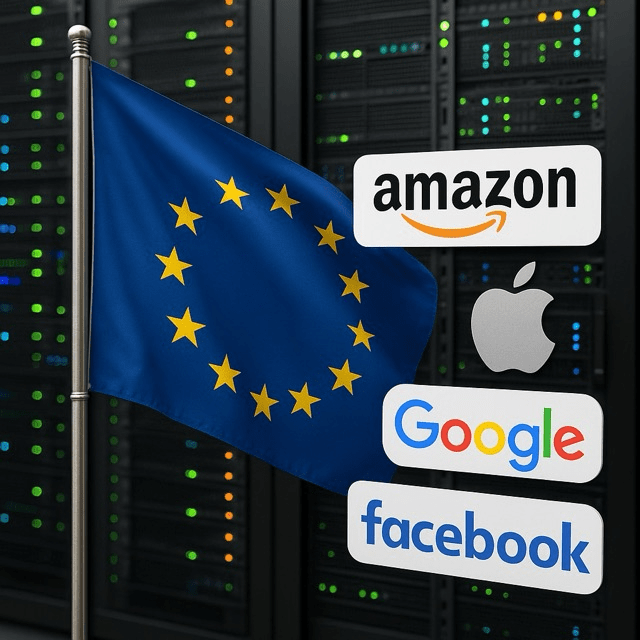
The increasing reliance of Europe on American technology companies for its digital infrastructure is ringing alarm bells in Brussels and beyond. At the heart of the concern lies the fear that, should Donald Trump return to the White House, his administration might leverage control over tech infrastructure as a geopolitical weapon. With Europe’s digital backbone — from cloud services to critical software — built largely by firms like Amazon, Microsoft, and Google, the implications could be profound.
In recent years, the EU has doubled down on its ambition to secure “tech sovereignty” — a term now firmly embedded in European policy discourse. Leaders across the continent argue that strategic independence in the digital sphere is not just a matter of competitiveness but of security and autonomy. Yet, aspirations often collide with reality. Despite initiatives such as GAIA-X, the Franco-German-led cloud project, tangible progress remains limited.
Senior executives across Europe’s corporate landscape have voiced their unease in private, fearing operational paralysis should transatlantic relations sour. While many publicly stress their partnerships with US firms, privately they worry about political risk. “We’ve essentially handed the keys of our digital homes to a landlord across the ocean,” said one anonymous executive from a major telecom operator.
Policymakers echo similar sentiments. European Commissioner Thierry Breton has repeatedly emphasized the need for homegrown alternatives, warning of “technological dependency” as a vulnerability. However, Europe’s fragmented tech ecosystem, combined with regulatory burdens and lack of venture capital on the scale seen in Silicon Valley, makes building native solutions a daunting task.
This dilemma has taken on renewed urgency in light of Trump’s recent rhetoric, which includes threats to curtail foreign operations of US firms under the guise of national security. While no formal policies have been enacted, the mere possibility has forced European leaders to confront uncomfortable questions about their digital future.
Despite the challenges, hope is not lost. Start-ups in countries like Estonia, the Netherlands, and France are innovating in fields such as cybersecurity, AI, and edge computing. Yet without significant investment, cohesive strategy, and cross-border collaboration, these promising seeds may never grow into globally competitive alternatives.
The road to European tech sovereignty will be long and winding. But if the continent hopes to reduce its digital vulnerability, it must start treating digital infrastructure with the same strategic importance it gives to energy or defense. Until then, Europe remains caught in a delicate balancing act — dependent on allies that may not always act like friends.




 The Tower Post