Beyond the Hype: Exploring the Real Health Benefits of Everyday Foods
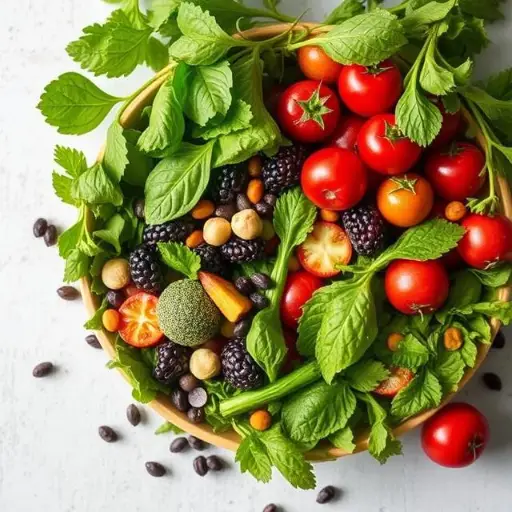
The concept of “superfoods” has become a staple of modern nutrition, with exotic ingredients like goji berries and turmeric touted as the key to optimal health. However, experts are now turning their attention to the humble, everyday foods that have been overlooked for far too long. These unglamorous alternatives are not only affordable but also packed with nutrients, making them the perfect addition to a balanced diet.
Dr. Federica Amati, a research fellow at Imperial College, London, is a strong advocate for the benefits of oats. “This wholegrain is a powerhouse of nutrients, including fibre that helps lower cholesterol and bioactive compounds that can reduce oxidative stress and inflammation,” she says. “Wholegrains are a health-protecting food group that most of us are lacking, so oats are worth adding back in the pantry.”
According to Amati, wholegrains are not the only overlooked superfoods. “Oats are also a great source of protein, with one cup containing more than 10g,” adds Veronika Prošek Charvátová, a senior researcher at the vegan campaign group Viva! Health. “The protein is a high-quality one called avenalin, found only in oats, and it contains health-supporting beta-glucans, which can also be found in expensive supplements.”
Other nutrition experts are singing the praises of peas, carrots, and potatoes, which are often overlooked as superfoods. “Peas are a great source of protein, fibre, and complex carbohydrates, and they are naturally low in fat,” says Dr. Justine Butler, the head of research at Viva! Health. “Regular intake has also been shown to be beneficial in terms of weight control, improved sugar metabolism, and lower blood pressure.”
Tomatoes, green leafy vegetables, and lentils are also being touted as superfoods. “Tomatoes are an excellent source of vitamin C, potassium, and the red compound lycopene, a powerful antioxidant linked to a reduced risk of heart disease and certain cancers,” says Rosemary Martin, a UK-based registered dietitian. “Green leafy vegetables are packed with nutrients including iron, calcium, potassium, folate, vitamins C, E, and K, antioxidants, and fibre, and they contain special compounds called glucosinolates that may help to protect against cancer.”
Even popcorn is being hailed as a superfood. “Popcorn is a whole grain containing about 10g of fibre per 100g, and it also contains phytochemicals, mostly concentrated in the pericarp – the outer shell that is key to the popping process,” says Sammie Gill, a registered dietitian with the British Dietetic Association. “Popcorn will probably keep you feeling satisfied for longer than other snacks, such as crisps.”
The list of unglamorous superfoods goes on, including black beans, tofu, and tahini. “Tofu is one of the most nutritious foods around,” says Prošek Charvátová. “It’s high in protein, low in fat – and what little fat it does contain is the healthy kind. It provides fibre and is a good source of B-group vitamins, magnesium, potassium, selenium, and zinc, and a great source of calcium and iron.”
In a world where exotic superfoods are often touted as the key to optimal health, it’s refreshing to see everyday foods getting the recognition they deserve. As Dr. Michael Greger, the author of the bestselling book “How Not to Die,” says, “More is not better; eating four brazil nuts every day may bump us up against the tolerable daily limit for selenium, so stick with a single serving of four just once a month.”
In short, the humble heroes of nutrition are not just affordable but also packed with nutrients, making them the perfect addition to a balanced diet. So the next time you’re thinking about what to eat, consider the unglamorous superfoods in your kitchen – you might just be surprised at how nutritious they are.




 The Tower Post