An 82-year-old woman from Nerola dies in Fondi hospital as regional health authorities confirm six additional cases
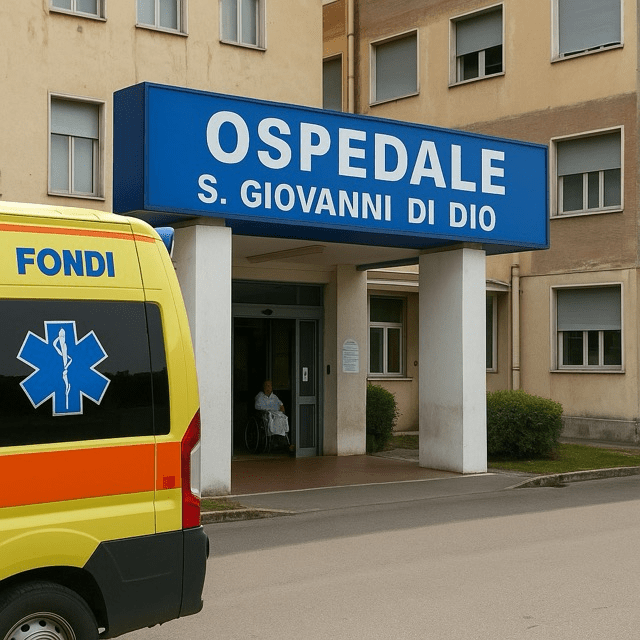
A woman infected with the West Nile virus has died in the Lazio region, marking the first fatality in a growing local outbreak. Filomena Di Giovangiulio, 82, a resident of Nerola in the province of Rome, passed away at San Giovanni di Dio Hospital in Fondi after being admitted on July 14 with high fever and confusion.
Medical staff initially treated Di Giovangiulio for suspected heat stroke due to soaring summer temperatures, but her condition rapidly deteriorated. Laboratory tests later confirmed the presence of the West Nile virus, a mosquito-borne pathogen that has seen increasing circulation in southern Europe in recent years.
The Lazio Regional Health Department has since confirmed six additional cases of West Nile infection, raising concerns about the virus’s spread as the mosquito season peaks. Health authorities are now intensifying monitoring efforts and spraying campaigns in affected municipalities to control mosquito populations.
“The death of Ms. Di Giovangiulio is a tragic reminder of the serious risks associated with the West Nile virus, particularly for the elderly and those with compromised immune systems,” said Dr. Alessandra Conti, an infectious disease specialist at Policlinico Umberto I in Rome. “We urge the public to take appropriate preventive measures, especially in rural and semi-urban areas.”
The West Nile virus is transmitted to humans through the bite of infected mosquitoes, primarily of the Culex species. Most infected individuals experience mild flu-like symptoms or remain asymptomatic. However, in rare cases — particularly among older adults — the virus can cause severe neurological complications such as encephalitis or meningitis.
In response to the outbreak, regional health authorities have issued alerts to hospitals, clinics, and general practitioners, asking them to report suspected cases and increase testing in patients presenting with unexplained fever and neurological symptoms.
Local governments across the Lazio region have also launched public awareness campaigns urging residents to use insect repellent, wear long sleeves, and eliminate standing water around homes where mosquitoes breed.
The Ministry of Health has stated it is closely monitoring the situation and is in coordination with European disease control agencies. Experts warn that climate change, longer summers, and increased humidity are creating favorable conditions for the spread of vector-borne diseases like West Nile.
As summer progresses, health officials remain on high alert. While most cases remain mild, the recent fatality has cast a sobering spotlight on a virus that too often flies under the radar — until it’s too late.




 The Tower Post