Brazil’s Judiciary Takes Decisive Action Against Alleged Corruption and Embezzlement
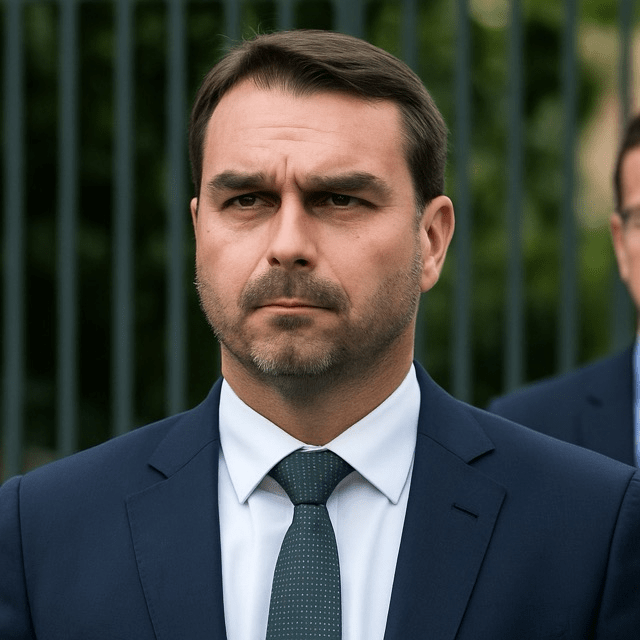
In a landmark decision that underscores Brazil’s ongoing fight against high-level corruption, the Federal Supreme Court (STF) has ordered the seizure of assets belonging to Flávio Bolsonaro, commonly known as Bolsonaro Jr., son of former President Jair Bolsonaro. The ruling, issued on July 20, 2025, follows a lengthy investigation into alleged money laundering and embezzlement tied to the so-called “rachadinha” scheme, in which aides purportedly funneled portions of their public salaries into the politician’s campaign coffers.
Authorities have identified approximately BRL 18 million (USD 3.4 million) in bank accounts, real estate, and investment portfolios linked directly or indirectly to Bolsonaro Jr. These assets span multiple states, including Rio de Janeiro, São Paulo, and the Federal District, and consist of luxury apartments, commercial properties, and shares in a local construction firm. The court’s decision mandates that these holdings be frozen pending further judicial review, effectively preventing their sale or transfer.
Prosecutors contend that Bolsonaro Jr. benefited from a systematic misappropriation of funds during his tenure as a state legislator from 2003 to 2018. According to indictment documents, aides would return a fixed percentage of their salary payments—often up to 40%—to the legislator’s campaign fund, a practice prosecutors maintain violates anti-corruption statutes. Investigators also allege the existence of shell companies used to obscure the true source of campaign contributions, thereby inflating his fundraising totals during key electoral campaigns.
The STF’s presiding justice emphasized the necessity of asset seizure as a preventive measure to ensure that ill-gotten gains are not dissipated before a final verdict. “The integrity of our judicial process depends on safeguarding evidence and preserving the means to potentially restitute public coffers,” the justice wrote in a unanimous opinion. Critics argue such measures could set a precedent for preemptive punitive actions; however, supporters view it as a critical step in deterring misuse of public office.
Flávio Bolsonaro has denied any wrongdoing, calling the allegations “political persecution” orchestrated by adversaries aiming to derail his budding political career. In a brief statement outside his Rio de Janeiro residence, he vowed to fight the charges in all legal venues, asserting that the assets in question were acquired through legitimate business ventures and inheritance. His legal team has already filed an appeal challenging the scope of the asset freeze and questioning the evidentiary basis for several of the alleged shell entities.
Political analysts note that the case bears significant implications not only for the Bolsonaro family but also for Brazil’s broader campaign finance landscape. Recent reforms have aimed to increase transparency around campaign contributions, yet enforcement has often lagged behind legislative intent. The STF’s action could galvanize further legislative efforts to tighten regulations and bolster investigative mechanisms within state-level assemblies.
International watchdogs have lauded Brazil’s judiciary for its assertive stance. Transparency International’s regional director commented that the seizure demonstrates “a maturing legal system unafraid to confront powerful figures, regardless of their political connections.” Yet, the organization also cautioned that ensuring due process and avoiding politicized litigation must remain top priorities.
Looking ahead, the frozen assets will remain under judicial custody until criminal proceedings conclude, potentially spanning several years given the complexity of appeals and evidentiary hearings. Should Bolsonaro Jr. be convicted, the state could liquidate these assets to recoup misallocated public funds. Conversely, if he is exonerated, ownership would revert to him, along with any accrued interest from judicial escrow.
For now, the asset freeze marks a pivotal advance in Brazil’s reckoning with corruption at the highest echelons of power. As Flávio Bolsonaro’s legal saga unfolds, both supporters and detractors will keenly observe how Brazil’s institutions balance the imperatives of justice, transparency, and fair trial rights in one of the most closely watched political dramas in recent memory.


 The Tower Post