Humanitarian tensions escalate as critical medical supplies come under fire
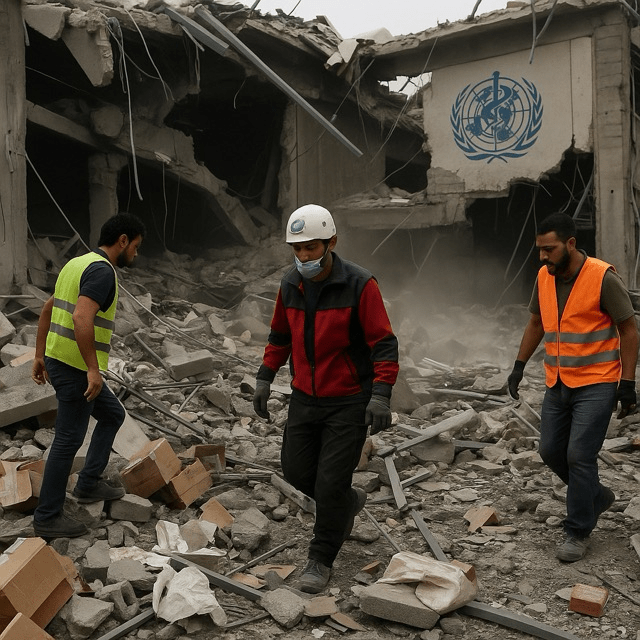
Gaza City – In a startling escalation of hostilities, the Israeli Defense Forces (IDF) conducted precision strikes early on July 21 against multiple World Health Organization (WHO) storage facilities in Gaza. According to eyewitness reports and satellite imagery reviewed by independent analysts, the attacks destroyed medical supplies intended for civilian hospitals across the besieged territory. The WHO, which operates these warehouses in coordination with local health authorities, confirmed the incident in an urgent press release, calling the strikes “a grave violation of international humanitarian law.”
Witnesses in Gaza City describe thunderous explosions that rocked residential neighborhoods as the IDF targeted facilities near the Al-Shifa medical complex. “We saw the warehouses go up in flames, and the dust clouded the entire area,” said Dr. Youssef Abu Daher, a Gaza-based physician who arrived at the scene minutes after the bombing. “These warehouses held essential vaccines, surgical kits, and antibiotics. Without them, we face the collapse of basic healthcare services.”
The WHO’s Gaza office, led by Director Dr. Jamila Salameh, immediately appealed to the international community. “Our warehouses are strictly civilian in nature, and have been clearly marked with the emblems of the United Nations and the WHO,” the statement read. “Targeting them undermines the right to health and endangers thousands of vulnerable patients, including children and the elderly.” The organization called for an immediate cessation of hostilities in proximity to medical facilities and an independent investigation into the attacks.
In Tel Aviv, Israeli officials defended the operation, asserting that the IDF had credible intelligence suggesting Hamas operatives were using the warehouses as covert command centers. Defense Minister Avigdor Lieberman stated at a press conference, “Our forces acted on precise information to neutralize threats that jeopardize Israeli security. We regret any unintended damage to civilian infrastructure, but we cannot allow Gaza-based militias to exploit humanitarian aid for militant purposes.”
However, international observers have expressed skepticism over the Israeli claims. Human Rights Watch noted that the IDF did not present verifiable evidence of militant activity within the targeted facilities. “Even if there were combatants present, the indiscriminate destruction of sites stocked with life-saving medical supplies violates the proportionality principle under the laws of armed conflict,” said HRW Middle East researcher Lina Attalah.
The strikes have drawn swift condemnation from several world leaders. United Nations Secretary-General António Guterres labeled the attacks “unacceptable and counterproductive,” urging both sides to respect international humanitarian norms. European Union foreign policy chief Josep Borrell called for the protection of medical infrastructure, warning that “further degradation of Gaza’s health system risks a catastrophic collapse with wide-reaching regional consequences.”
In Gaza, local authorities scrambled to reroute supplies from makeshift depots, but the damage is severe. The Ministry of Health estimates that more than 60 percent of the territory’s medical stockpiles were stored in the destroyed facilities. Hospitals already overwhelmed by previous waves of conflict are now bracing for shortages of essential items such as sterile bandages, insulin, and neonatal care equipment.
Non-governmental organizations operating in Gaza, including Médecins Sans Frontières (MSF) and the International Committee of the Red Cross (ICRC), expressed deep concern. MSF spokesperson Camille Laurent emphasized the moral imperative of safeguarding medical assets in war zones: “Medical supplies are not legitimate military targets under any circumstances. Their destruction endangers civilian lives and violates the principle of medical neutrality.”
Analysts warn that the fallout from these events extends beyond immediate humanitarian consequences. The strikes could derail ongoing ceasefire negotiations mediated by Egypt and Qatar, reigniting broader hostilities that have intermittently flared since October 2023. Regional stability hangs in the balance, as neighboring states watch the conflict’s trajectory with mounting alarm.
As Gaza enters a new phase of medical crisis, the international community faces tough questions. Will powerful actors enforce accountability to deter similar attacks? Can humanitarian organizations secure safer corridors for aid delivery? And crucially, how will the people of Gaza endure as hospitals confront dwindling reserves and escalating demand? The shadow over Gaza’s healthcare system deepens, underscoring the fragile intersection of war and human suffering.
Key Facts at a Glance
Date of Attacks: July 21, 2025
Targets: Three WHO-managed medical supply warehouses near Gaza City
Estimated Damage: Approximately 60% of Gaza’s emergency medical stockpiles destroyed
Casualties: No direct civilian deaths reported in the strikes, but severe disruption to healthcare services
International Response: Global condemnation; calls for independent investigation and protection of medical facilities




 The Tower Post