Historic defeat as younger and working-class voters abandon the conservative mainstream
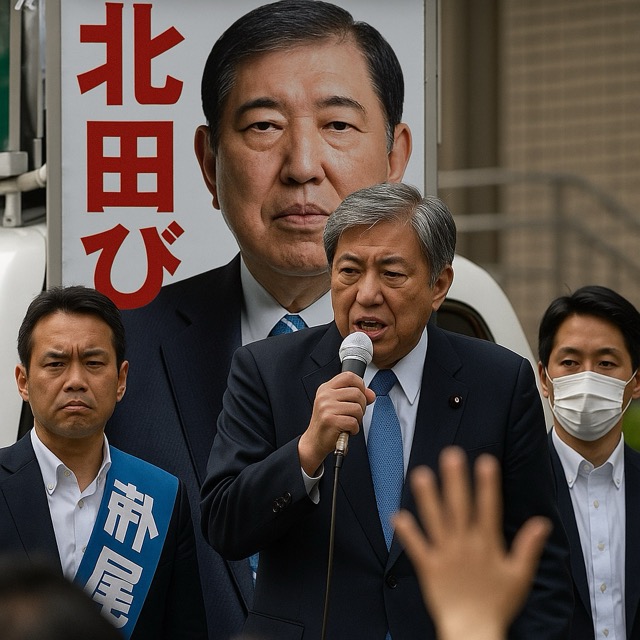
In a stunning rebuke to decades of political dominance, Japan’s ruling Liberal Democratic Party (LDP) suffered its worst electoral defeat in 70 years this week. Prime Minister Shigeru Ishiba, still reeling from economic headwinds such as inflation and looming U.S. tariffs, watched as populist challengers captured the votes of working-class and younger demographics, signaling a seismic shift in Tokyo’s political landscape.
The upper house elections, held on July 20, saw the LDP-Komeito coalition fall three seats short of the 50-seat threshold required for a majority, securing only 47 of the 125 contested seats. This marks the first time since the party’s inception in 1955 that the LDP-led bloc has lost control of both chambers of parliament. Opposition and single-issue parties, notably the centrist Democratic Party for the People and the hard-right Sanseito, surged by channeling public discontent over the rising cost of living and perceived government complacency.
Analysts point to demographic shifts and evolving voter priorities as key drivers behind the LDP’s collapse. Rural strongholds, once a bedrock of support, are shrinking due to an aging population and urban migration. Meanwhile, metropolitan voters—particularly those under 40—have gravitated toward populist platforms promising tax relief, expanded welfare, and stricter immigration controls. “The LDP was largely playing defence in this election,” said David Boling, director at Eurasia Group. “They missed the pulse of a generation demanding economic security and political responsiveness”.
Despite the scale of the defeat, Prime Minister Ishiba vowed to remain in office, warning against a leadership vacuum that could exacerbate economic uncertainty. In a press conference Monday, he pledged to continue trade negotiations with the United States and address inflationary pressures, though internal party factions are privately urging him to step aside for new leadership.
The populist upstarts capitalized on single-issue campaigns. Sanseito, a fringe party until recently, captured seats by decrying globalization and proposing strict new measures on immigration. The Democratic Party for the People won over urban professionals with promises of family subsidies and student loan relief. Both parties tapped into the same vein of disillusionment that swept conservative establishments across the West in recent years.
Traditional LDP stalwarts, including former Prime Minister Taro Aso, lament the party’s identity crisis. Some veteran lawmakers believe the LDP must reinvent itself, embracing transparency and populist messaging to regain trust. In the short term, the coalition will have to negotiate with opposition parties to pass legislation—an unprecedented reality for a party accustomed to unilateral control.
Market reactions were swift. The yen weakened against the dollar on worries about policy gridlock, while Japanese government bond yields ticked higher amid fears of fiscal imbalances. Investors are keenly watching whether coalition compromise will stall reforms in areas such as digitalization and renewable energy, which the government had flagged as priorities for the coming year.
As Japan gears up for next year’s lower house elections, the LDP faces an existential choice: double down on its traditional conservative base or pivot toward policies that resonate with a diversifying electorate. With younger voters now wielding electoral leverage, the party’s ability to adapt could determine whether it survives this populist era or becomes yet another casualty of seismic global political trends.




 The Tower Post