China’s synthetic diamond surge slashes prices and squeezes natural-stone stalwarts
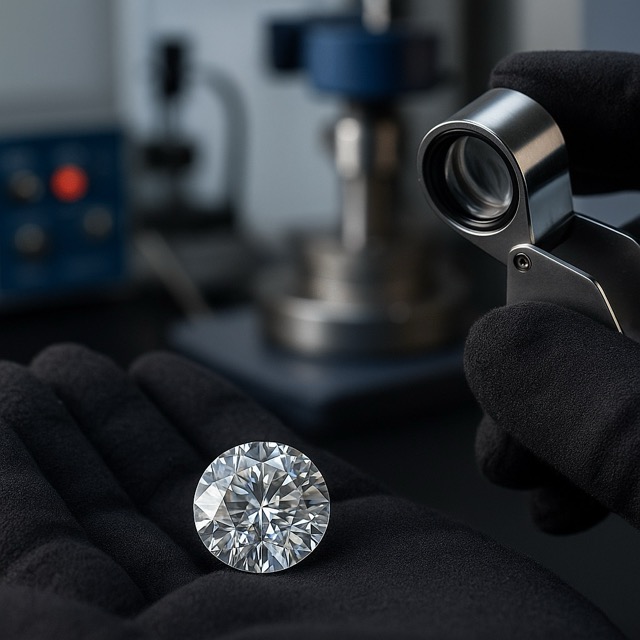
In recent years, laboratory-grown diamonds have moved from the fringes of the jewelry world to its very center, and China is the engine driving this transformation. Industry data indicate that more than 70% of the world’s synthetic diamonds now originate from Chinese labs, a figure that has sent shockwaves through traditional diamond houses and jewelers alike.
China’s mass production capabilities have enabled output to climb from a few million carats in 2018 to an estimated 50 million carats in 2024. This surge in supply has exerted downward pressure on retail prices, with some entry-level lab-grown diamonds now available for under $500 per carat—roughly half the price of comparable natural stones.
For consumers, the all-but-guaranteed clarity and customizable color of lab-grown gems make them an attractive alternative to mined diamonds—especially among younger buyers prioritizing ethics and sustainability. Producers in the Chinese province of Henan, home to many of the nation’s largest diamond-manufacturing facilities, tout their state-of-the-art reactors and closed-loop processes that minimize waste and energy use.
Yet the very success of Chinese labs poses a threat to the natural diamond industry, long dominated by firms like De Beers, Alrosa, and Rio Tinto. These established players have watched market share slip as jewelers expand their lab-grown offerings, and retailers scramble to adjust inventory and pricing strategies.
“We never imagined synthetic stones would capture such a large slice of the market so quickly,” admits a senior executive at a leading Belgian diamond-trading house. “The Chinese producers have upended the traditional supply chain, and now everyone is playing catch-up.”
The price war has forced natural-diamond miners to rethink their model. Some are doubling down on branding and provenance, emphasizing the unique geological story of each mined stone. Others are exploring partnerships with lab-grown producers to offer hybrid collections—melding earth-mined and laboratory-created gems in a single piece of jewelry.
Meanwhile, regulatory scrutiny is on the rise. European and U.S. consumer watchdogs are considering new labeling requirements to ensure lab-grown and natural diamonds are clearly distinguished at the point of sale. Advocates argue that transparent disclosure is essential to safeguarding consumer trust as the market evolves.
Looking ahead, analysts predict that China’s share of global lab-grown diamond production could exceed 80% by 2026. The implications extend beyond price: China’s technological advances in high-pressure, high-temperature reactors may soon yield even larger gem-quality crystals, raising the bar for the rest of the industry.
For now, the diamond trade stands at an inflection point. Retailers, miners, and manufacturers must navigate a landscape reshaped by Chinese innovation—balancing cost, quality, and ethical considerations to win over a new generation of customers. Whether natural diamonds can maintain their luster in this new era remains a question whose answer will define the industry’s future.




 The Tower Post